1701 Franciacorta: Biodynamics, Research and Identity
02
Oct 2026
Condividi su:
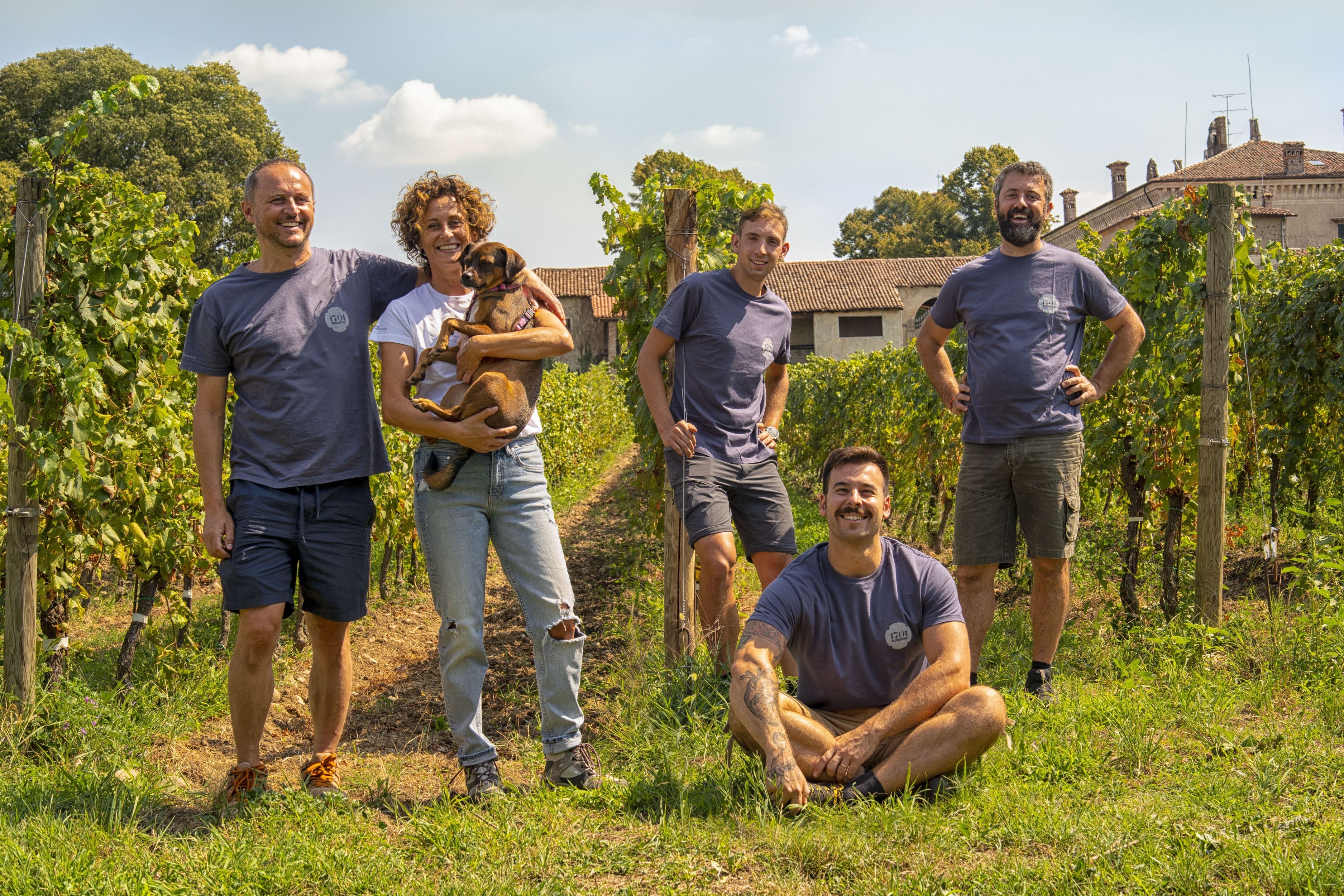
In Milan, in the spaces of the restaurant AlTattoo, the winery 1701 Franciacorta met the press for the first time, sharing the result of a journey that began fifteen years ago and has been built through work in the vineyards and the gradual definition of its own production identity.
Opening the meeting was Silvia Stefini, who introduced the meaning behind this decision. Over the years, the winery’s focus has been directed primarily toward work in the vineyards and the gradual construction of the production project: experimenting, testing intuitions, producing the wines, adjusting the course when necessary and understanding, harvest after harvest, which path proved to be the most coherent to follow.
A journey founded on observation and direct experience that, over time, has led to the definition of a clearer and more conscious production line.
During the lunch, the oenologist Giulio Salti guided the technical presentation of the cuvées in tasting, introducing the new vintages and illustrating the origin of the parcels, the vinification choices and the stylistic approach that today defines the identity of 1701 Franciacorta.
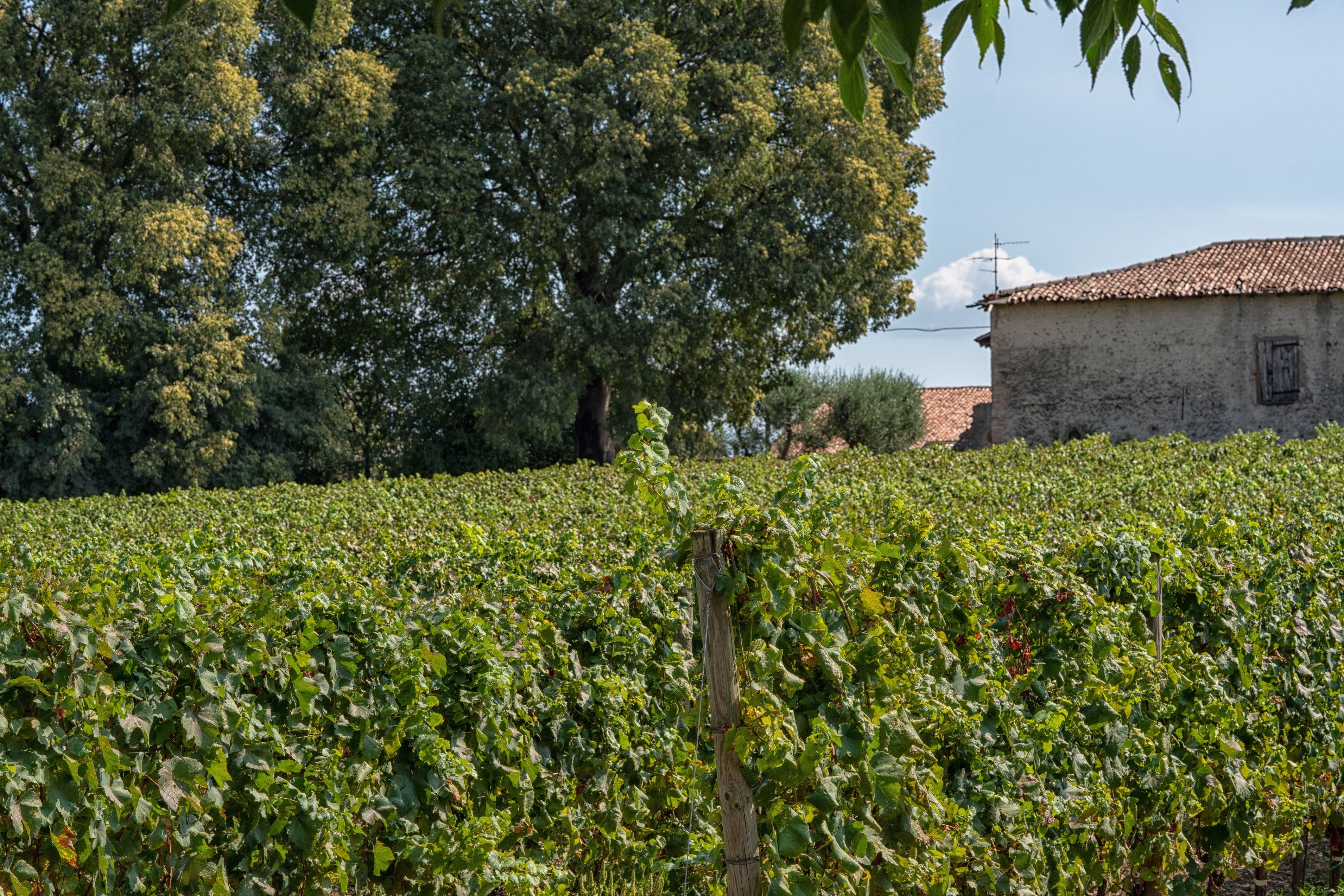
The history of the estate took shape in 2011, when Silvia and Federico Stefini acquired the agricultural property that once belonged to the Conti Bettoni Cazzago family, in Cazzago San Martino, in the heart of Franciacorta. The name chosen for the winery, 1701, refers to the first documented vintage produced in the historic Brolo vineyard, a walled parcel whose origins date back to the 11th century and which represents one of the oldest testimonies of local viticulture.
Today the estate comprises thirteen hectares of vineyards, planted predominantly to Chardonnay, with a more limited presence of Pinot Noir. The vines are trained using unilateral Guyot, with planting densities ranging between 5,555 and 6,250 vines per hectare, on deep morainic soils rich in skeletal material, characterized by a surface silty-sandy component typical of much of central Franciacorta.
From an agronomic perspective, vineyard management follows the principles of biodynamics, certified Demeter since 2016, making 1701 the first winery in the appellation to obtain this certification. The work on soil fertility is based on the use of biodynamic preparations and light soil cultivation, with the aim of maintaining a rich and dynamic vineyard ecosystem.
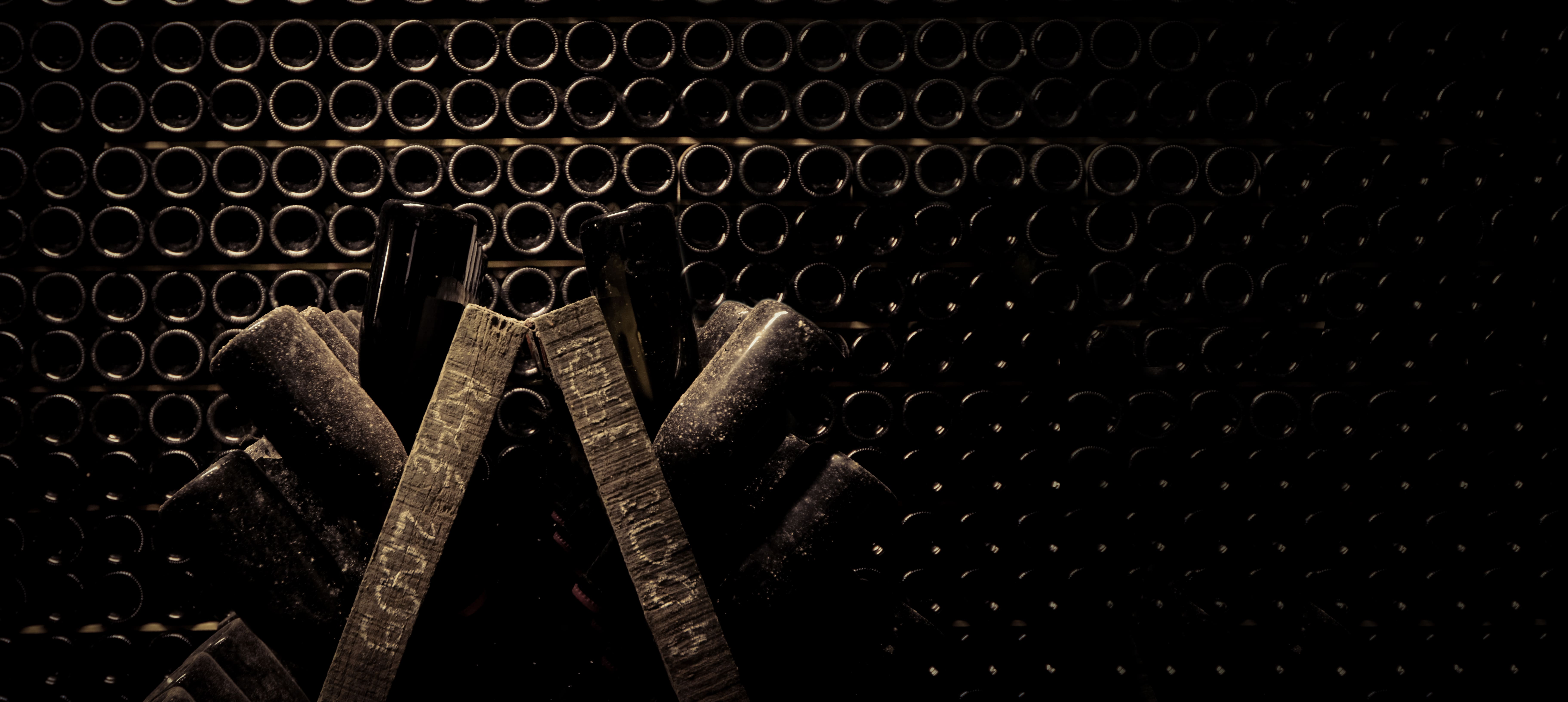
The same philosophy continues in the cellar. Fermentations take place exclusively with indigenous yeasts, no fining or filtration is carried out, and the use of sulphur is kept to the strict minimum necessary. The base wines ferment in stainless steel and concrete, while a portion of the wines ages in wood.
All the wines are Dosage Zero, and the total production stands at around 90,000 bottles per year.
A range built around a single wine
The wine that most clearly represents the identity of the winery is Brut Nature, which accounts for around 50–60% of the total production.
It is the only non-vintage cuvée in the range and is created through the blend of the estate’s different parcels, used in varying proportions. This wine also includes a portion of reserve wines, while the other cuvées are all vintage-dated and come from single parcels, with the aim of expressing more directly the specific character of the different vineyards.
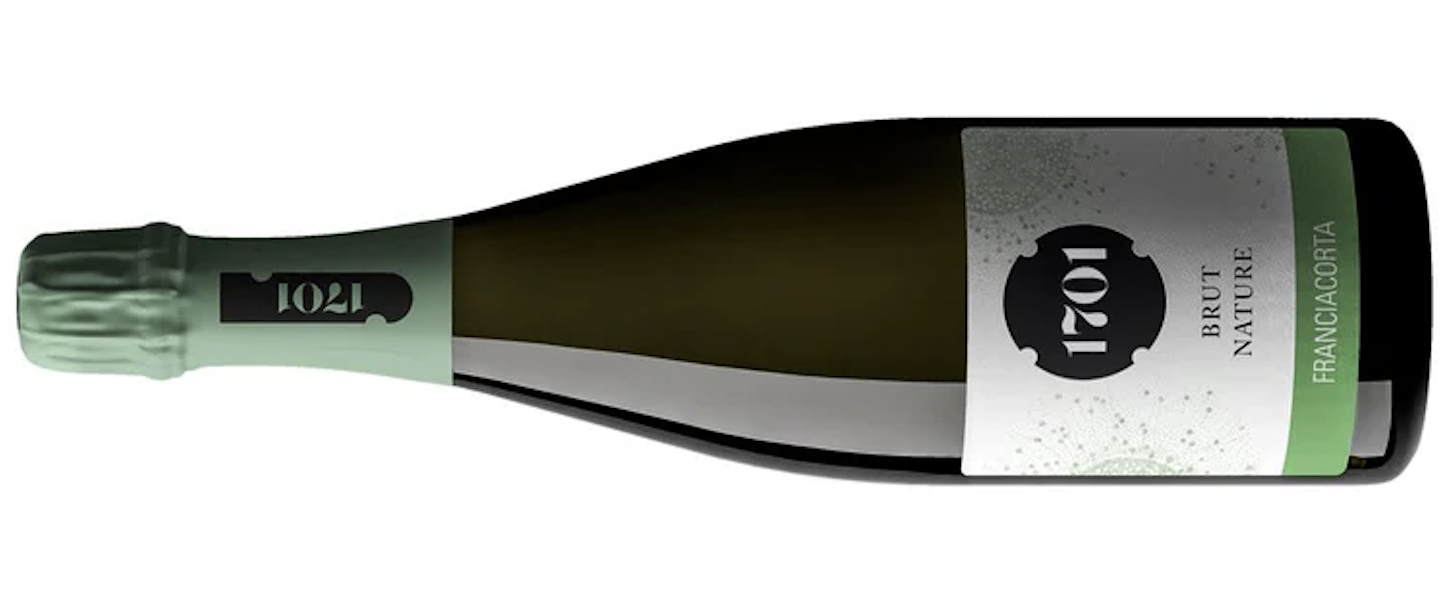
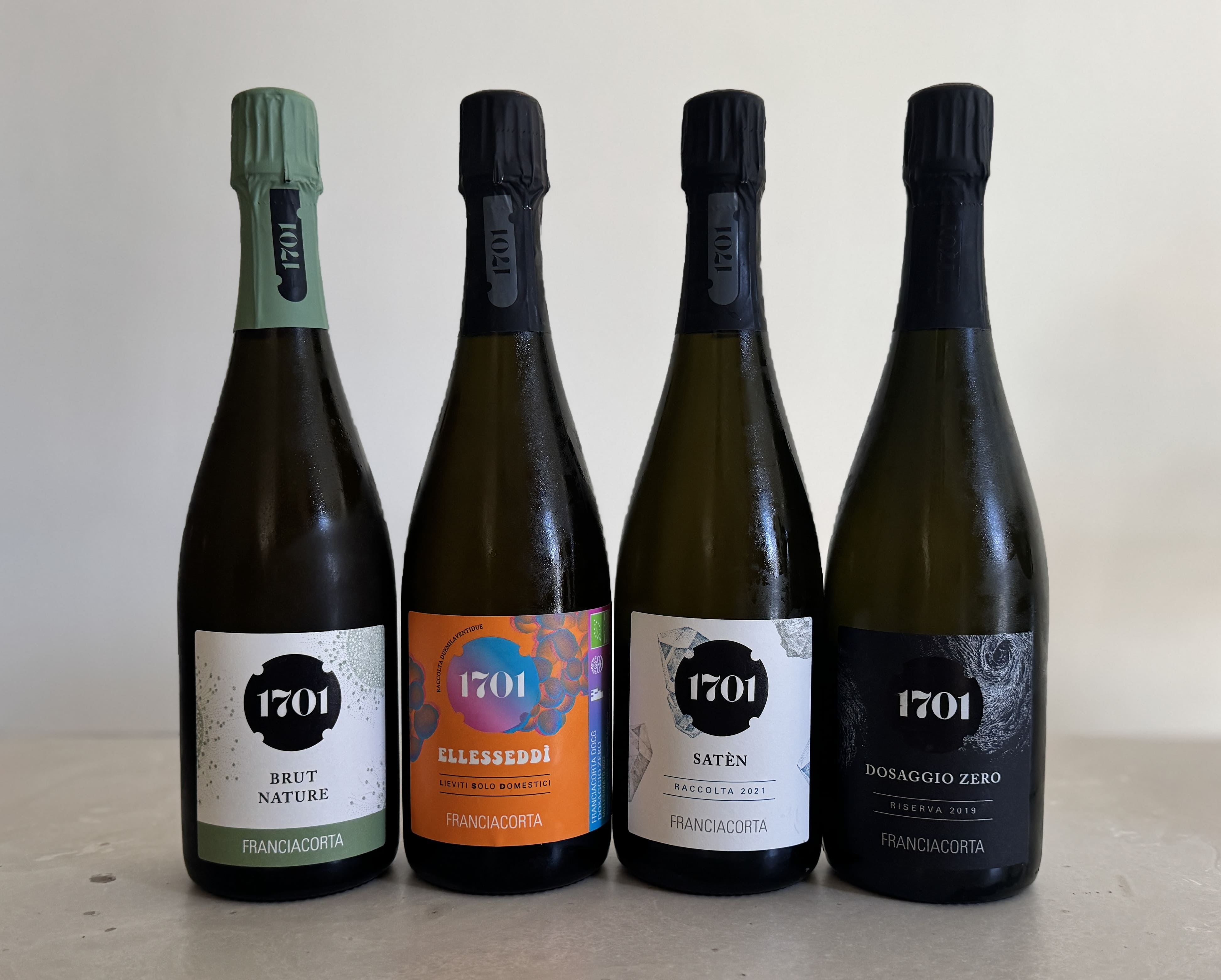
Brut Nature Brut Nature represents the synthesis of the winery’s style. The cuvée is created through the blend of the estate’s different parcels and combines 85% Chardonnay and 15% Pinot Noir, to which is added about 20% reserve wines coming from a cuvée perpétuelle aged in barrique.
Fermentation takes place with indigenous yeasts in stainless steel and concrete tanks, with complete malolactic fermentation. The wine is neither fined nor filtered. After about six months of ageing in the fermentation vessels, the prise de mousse is followed by a lees ageing period of between eighteen and twenty-four months. Production reaches 59,349 bottles, in addition to about 1,000 magnums.
On the palate, the wine develops with a precise and continuous progression. The opening is direct and supported by an acid tension that gives rhythm to the structure. The texture remains compact and the gustatory dynamics alternate moments of breadth and concentration, leading to a persistent saline finish, an expression of the morainic soils rich in skeletal material.
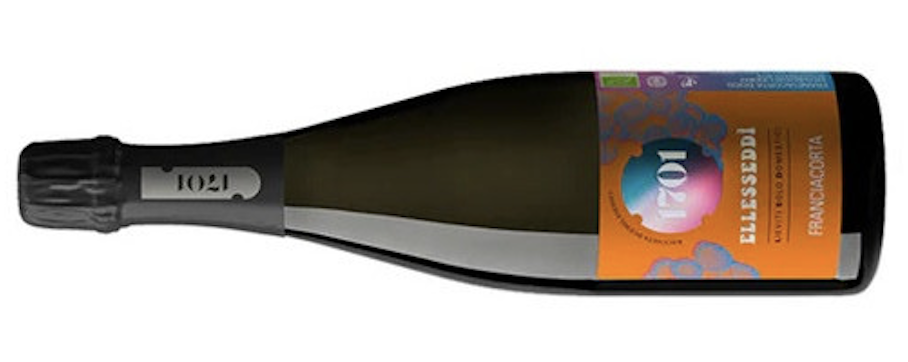
Ellesseddì 2022 Among the most distinctive wines of the estate stands Ellesseddì – Lieviti Solo Domestici, a cuvée that was initially conceived as an experiment and later became a permanent presence within the range.
The base of the wine coincides with that of Brut Nature, but the method used for the second fermentation changes completely. The prise de mousse does not take place with the traditional liqueur de tirage, but rather with must from the same harvest and indigenous yeasts.
To obtain this result, a pied de cuve is prepared starting from the must of the vintage. The must is frozen and later reactivated to trigger a spontaneous fermentation lasting around fifteen days. During this process, the most suitable yeasts are naturally selected.
The cuvée presented during the meeting was Ellesseddì 2022, composed of 80% Chardonnay and 20% Pinot Noir. After fermentation in stainless steel with indigenous yeasts, the second fermentation takes place thanks to frozen Chardonnay must from the same harvest, and the wine remains on its lees for about thirty-six months. Production is limited to 3,366 bottles.
On the palate, the wine shows a broader dynamic. The opening appears fuller and more textural, the structure expands before tightening again toward the centre, finishing with a vibrant tension.
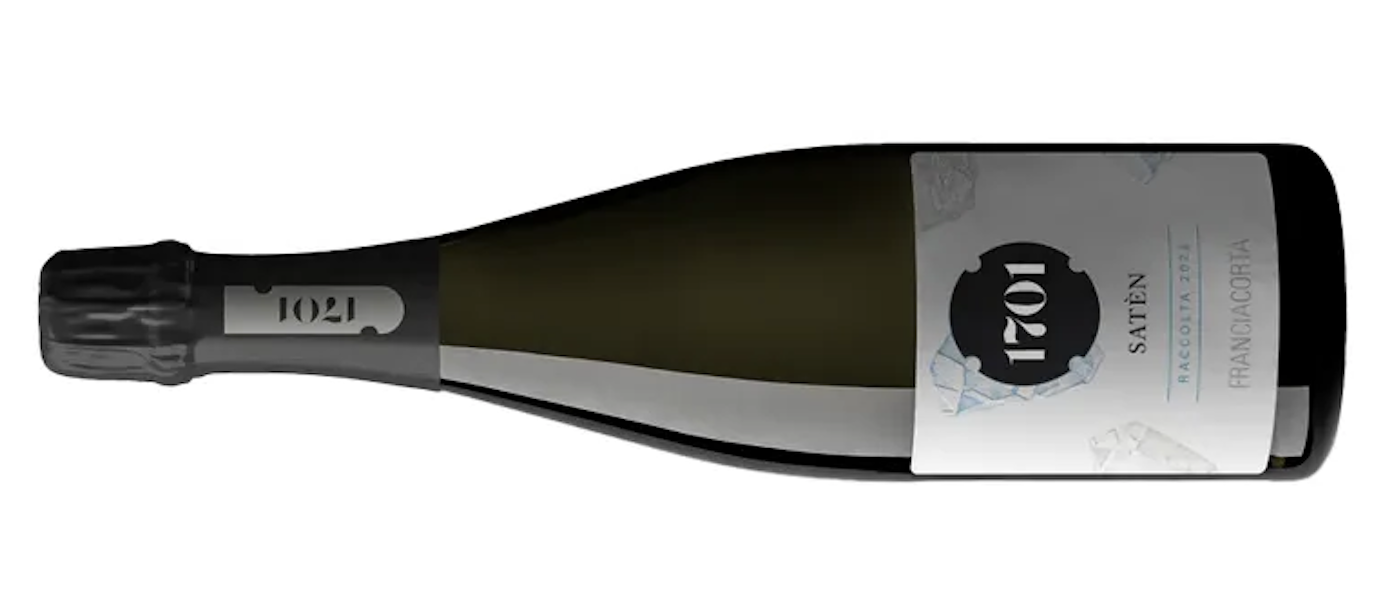
Satèn Raccolta 2021 Satèn Raccolta 2021
Satèn Raccolta 2021 is produced exclusively from Chardonnay grapes grown in the Sabbioni vineyard, in the municipality of Cazzago San Martino. The vines are trained using unilateral Guyot, with a density of around 5,555 vines per hectare, on deep morainic soils characterized by abundant skeletal material and a silty-sandy surface layer.
Fermentation takes place with indigenous yeasts, and vinification is divided among different vessels: one third of the wine ferments in stainless steel tanks, one third in concrete tanks and one third in barriques. Malolactic fermentation is carried out completely. The wine is neither fined nor filtered.
After about six months of ageing in the fermentation vessels, the wine is bottled for the prise de mousse and remains on its lees for around thirty-six months. Production reaches 12,140 bottles, in addition to 174 magnums.
On the palate, the wine develops with a soft and continuous progression. The opening is enveloping, and the structure unfolds with balance while maintaining a creamy and composed texture, characteristic of the Satèn style. The gustatory dynamics proceed steadily along the palate toward a persistent finish.
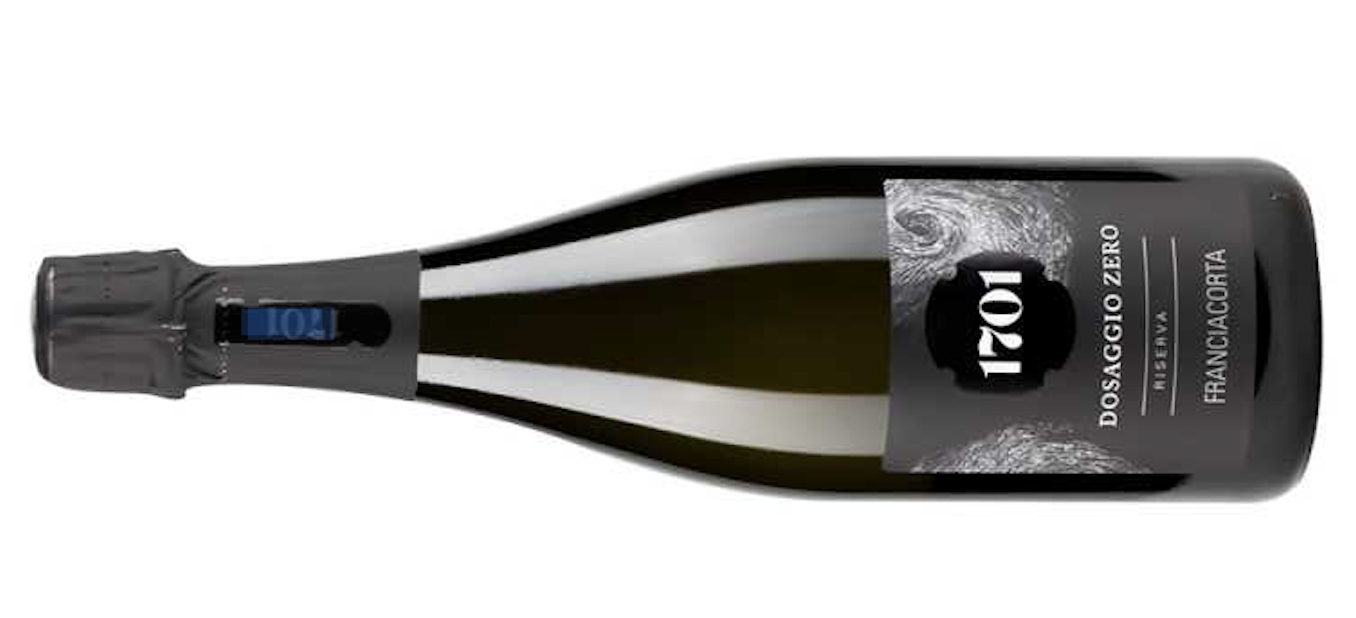
Dosaggio Zero Riserva 2019 Dosaggio Zero Riserva 2019 is produced exclusively from grapes grown in the Brolo vineyard, the same parcel that gave the winery its name.
The blend is composed of 90% Chardonnay and 10% Pinot Noir, cultivated at a density of around 6,250 vines per hectare on deep morainic soils rich in skeletal material.
Fermentation takes place with indigenous yeasts: about 80% of the mass ferments in stainless steel, while a portion is vinified in French oak barriques. The wine then undergoes a long lees ageing of at least 60 months. Production is limited to 1,502 bottles, in addition to 49 magnums.
On the palate, the progression appears slow and layered. The opening is gradual, and the structure progressively occupies the palate with greater depth. The long ageing on the lees contributes to a broader consistency, while the mineral component of the soil maintains a tense and precise progression, leading to a long, dry finish supported by a persistent saline sensation.
A look toward the future
Among the winery’s future projects is also the creation of a structure dedicated to wine tourism, designed to complement the agricultural dimension with a space for encounter and storytelling, capable of welcoming enthusiasts and professionals interested in discovering more closely the work carried out in the vineyards and in the cellar.