Borgo La Caccia: between viticulture, territory and social commitment in the morainic hills of Lake Garda
05
Oct 2026
Condividi su:
Within the landscape of the morainic hills of the southern Lake Garda area, Borgo La Caccia represents a place where agriculture, hospitality and social commitment coexist within a project that goes beyond a purely productive dimension.
Origins of the project
The origins of the borgo date back to the late 1990s, when Giovanni Bonomelli – founder of the Lautari Community in Pozzolengo, dedicated to helping young people recovering from addiction – envisioned a place where agricultural work could become an integral part of a path of training and social reintegration.
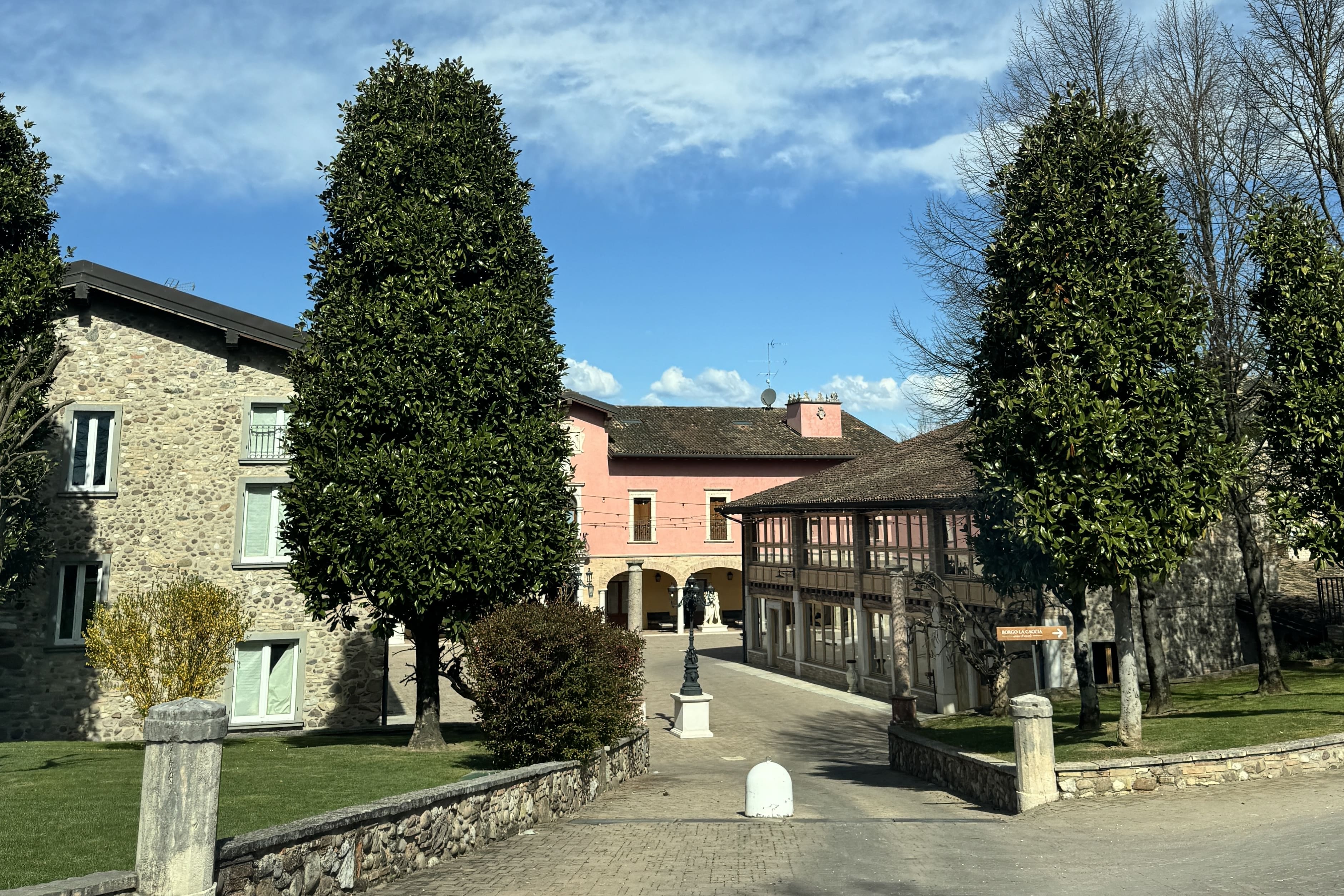
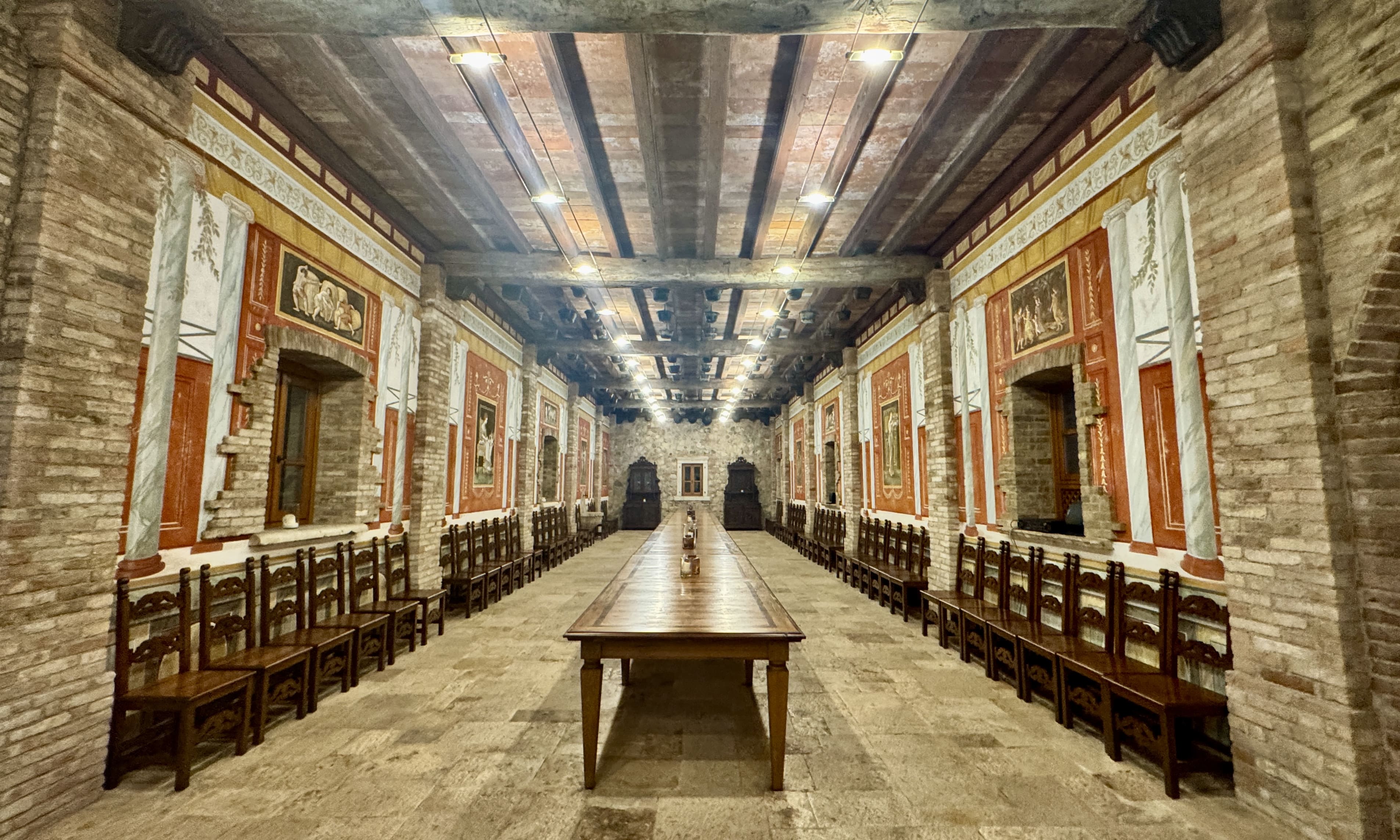
The idea was to recreate the atmosphere of a small rural village. The entire complex was built from scratch, following principles of architectural recovery and landscape integration. The only pre-existing structure was a small stone house, restored and incorporated into the borgo in 2020.
Today the estate is run by his son Andrea Bonomelli, who continues the work initiated by his father while maintaining the same vision: an agricultural reality in which winemaking activity is part of a broader human and territorial system.
Terroir and vineyards
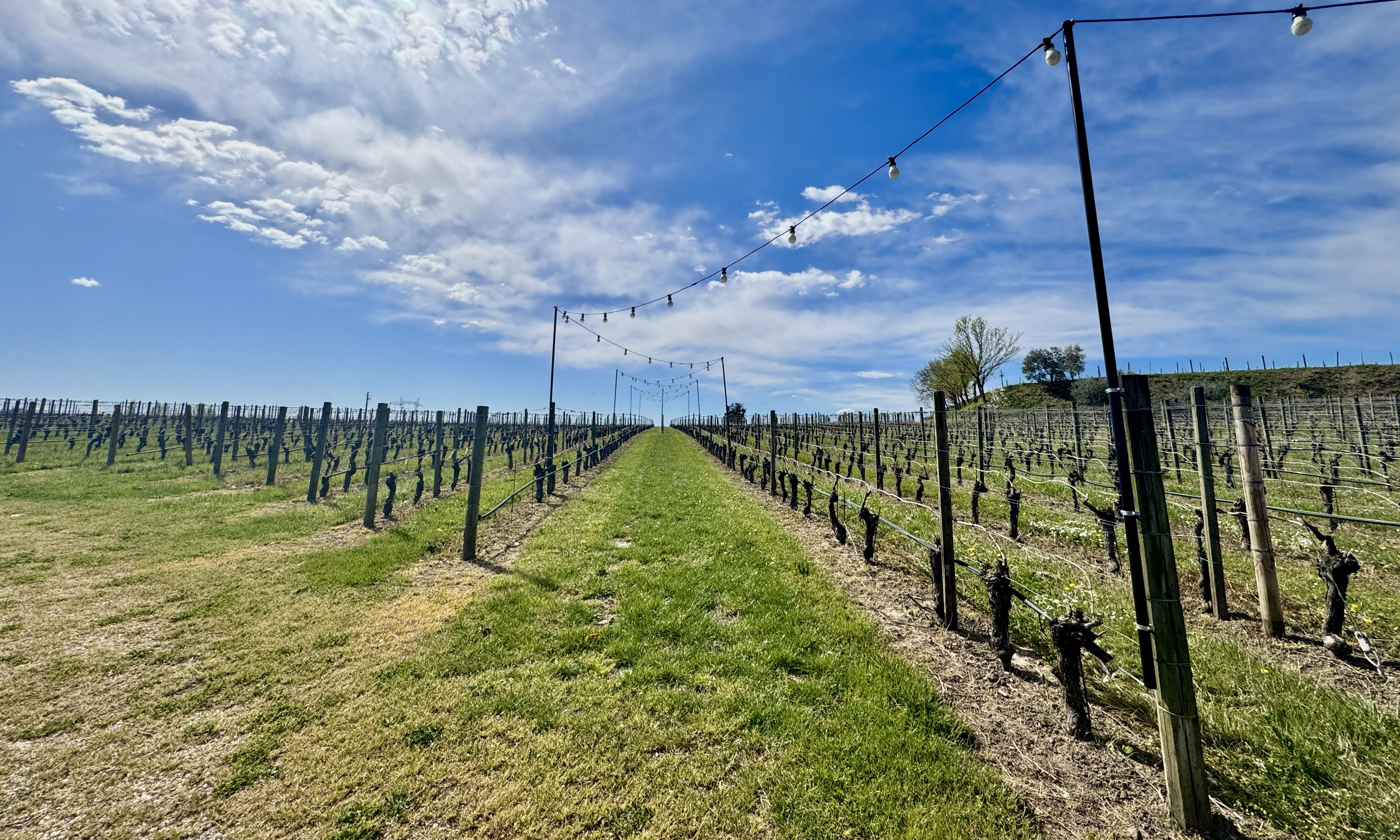
The estate is located within the morainic hills of the southern Lake Garda area, shaped by glacial movements that left behind complex and highly variable soils. Their composition – gravels, sands and clays of glacial origin – ensures natural drainage and contributes to the vegetative balance of the vines.
Breezes coming from the lake also play a decisive role in regulating the local microclimate, moderating temperature extremes and contributing to the stability of ripening conditions.
Today the cultivated surface reaches around fifty hectares, with vineyards that have an average age of about twenty years. Part of the vineyards surrounds the borgo and is mainly planted with red grape varieties – Cabernet, Carmenere, Pinot Noir and Merlot – while the higher parcels are dedicated to Chardonnay and Sauvignon.
The Lugana wines, on the other hand, originate from vineyards located within the appellation area, particularly in San Martino della Battaglia, where the estate cultivates about twenty hectares included in the Lugana DOC regulations.
Agronomic management follows the SQNPI protocol – the Italian National Quality System for Integrated Production – with controlled use of agronomic inputs and predominantly organic fertilization.
In recent years the vineyards have gradually been adapted to new climatic conditions through wider planting densities, which favor improved ventilation and better vine health. The climate of the southern Lake Garda area indeed shows increasingly evident variations, with dry seasons alternating with rainy periods that can advance the harvest by as much as two weeks.
Within this context, agricultural work accompanies the entire vegetative cycle of the vine. In spring the canopy develops, while at the beginning of summer green pruning regulates vegetative growth and maintains the correct balance between leaf surface and cluster exposure.
Harvest generally takes place between August and September and is carried out by hand. This choice allows for careful grape selection and also represents an educational moment for the young people from the community involved in the agricultural activities.
The winery
After the manual harvest, the grapes are analyzed in the internal laboratory to verify key parameters such as pH, acidity, sugar content and phenolic maturity.
This is followed by destemming and the breaking of the berries through centrifugation, a system that allows particularly gentle handling of the raw material.
The must obtained from pressing is separated into first and second fractions, with the former destined for the main wines and for sparkling wine bases.
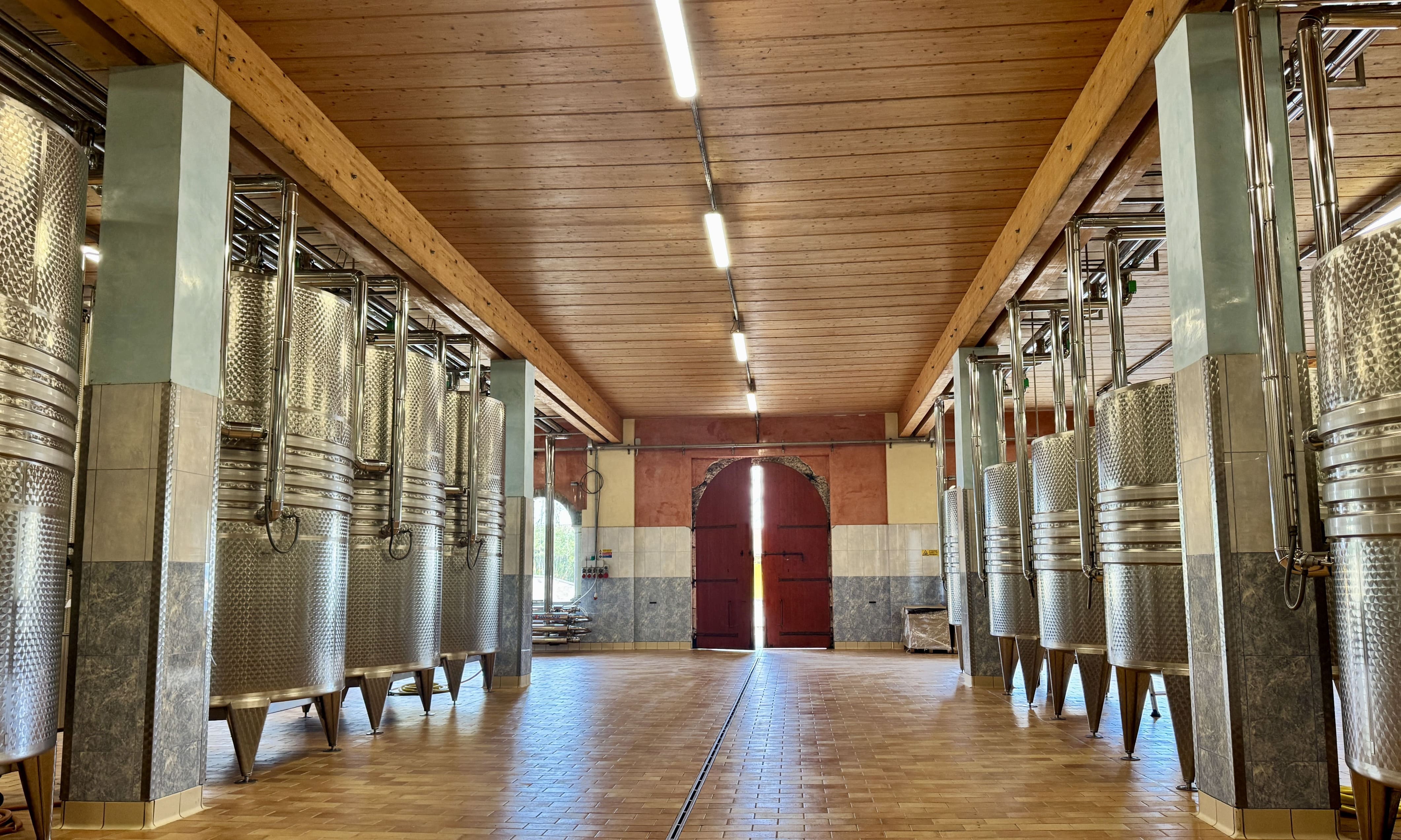
Vinification employs different materials – stainless steel, wood, amphorae, cocciopesto and ceramic – chosen according to the style of the wines and the characteristics of the grapes.
For red wines, fermenters equipped with internal rotating paddles are used to maintain contact between must and skins, encouraging the extraction of color, aromas and structure.
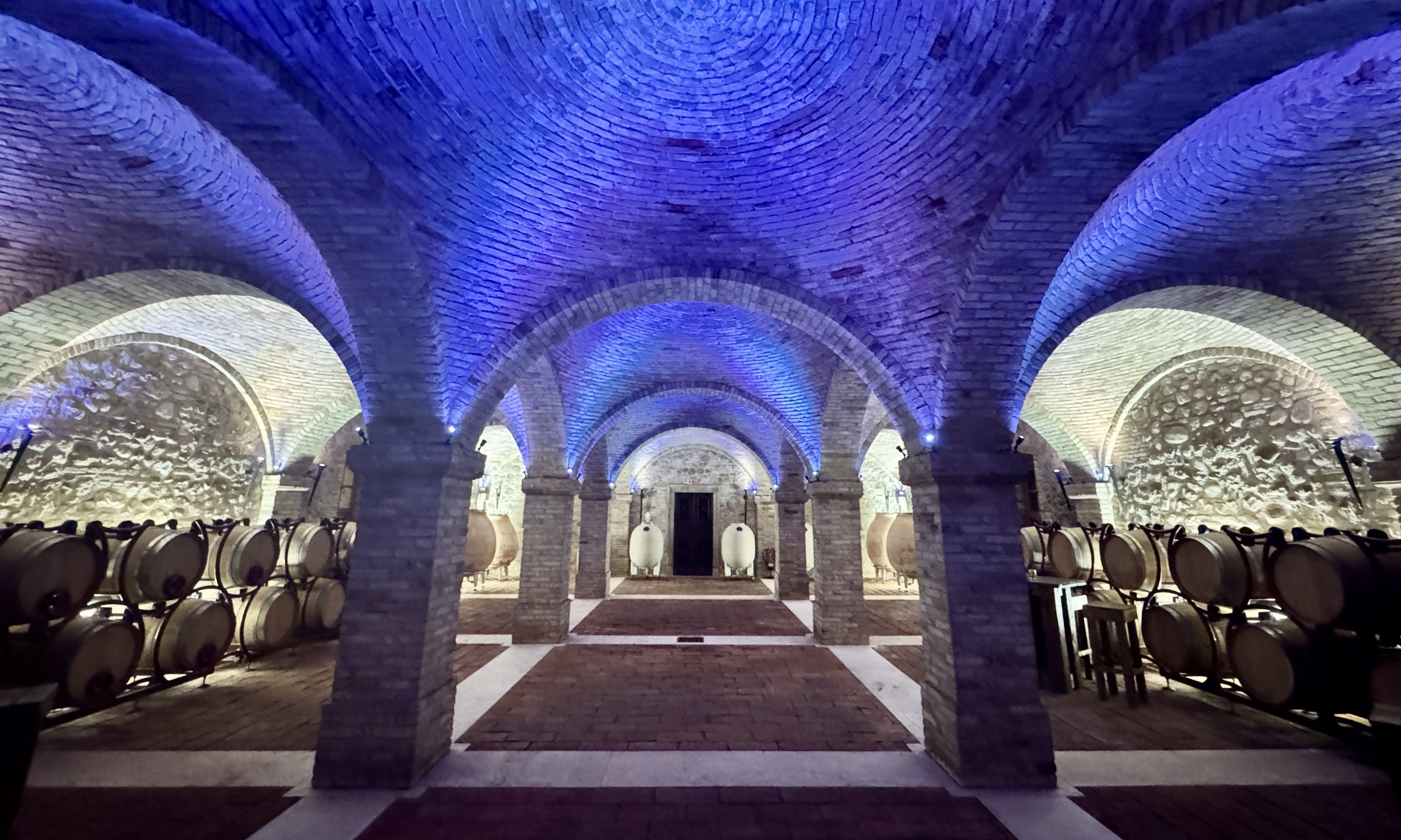
Some productions involve fermentation or ageing in terracotta amphorae, a naturally porous material that allows slow micro-oxygenation.
The winery was built together with the borgo complex and was expanded in the following years. Today it includes several operational rooms and a barrel cellar dedicated to ageing.
The winery activity today develops along two main lines.
Borgo La Caccia represents the historic range of the estate, with an annual production of around 150,000–160,000 bottles.
Alongside this, the Lautari line was introduced in 2020, created with the aim of economically supporting the community founded by Giovanni Bonomelli and capable of reaching around 170,000–180,000 bottles.
Overall production ranges between 300,000 and 350,000 bottles per year.
At the same time, consumption habits are also changing, with a growing interest in fresher and more dynamic wines. In this direction, several experimental projects are underway at the estate, including a low-alcohol Lugana obtained through early harvesting to reach about 8% vol., while maintaining acidity and drinkability.
An agricultural and social project
Alongside viticulture, the estate also carries out other agricultural activities.
At the riding centre connected to the community, located in Bedizzole, there are about thirty beehives dedicated to the production of wildflower honey. Olive oil is also produced, mainly intended for internal use within the communities.
In this context, viticulture represents one of the components of the Borgo La Caccia initiative, where working the land accompanies the activities of the community and becomes a concrete opportunity for responsibility, learning and participation in the agricultural life of the territory.
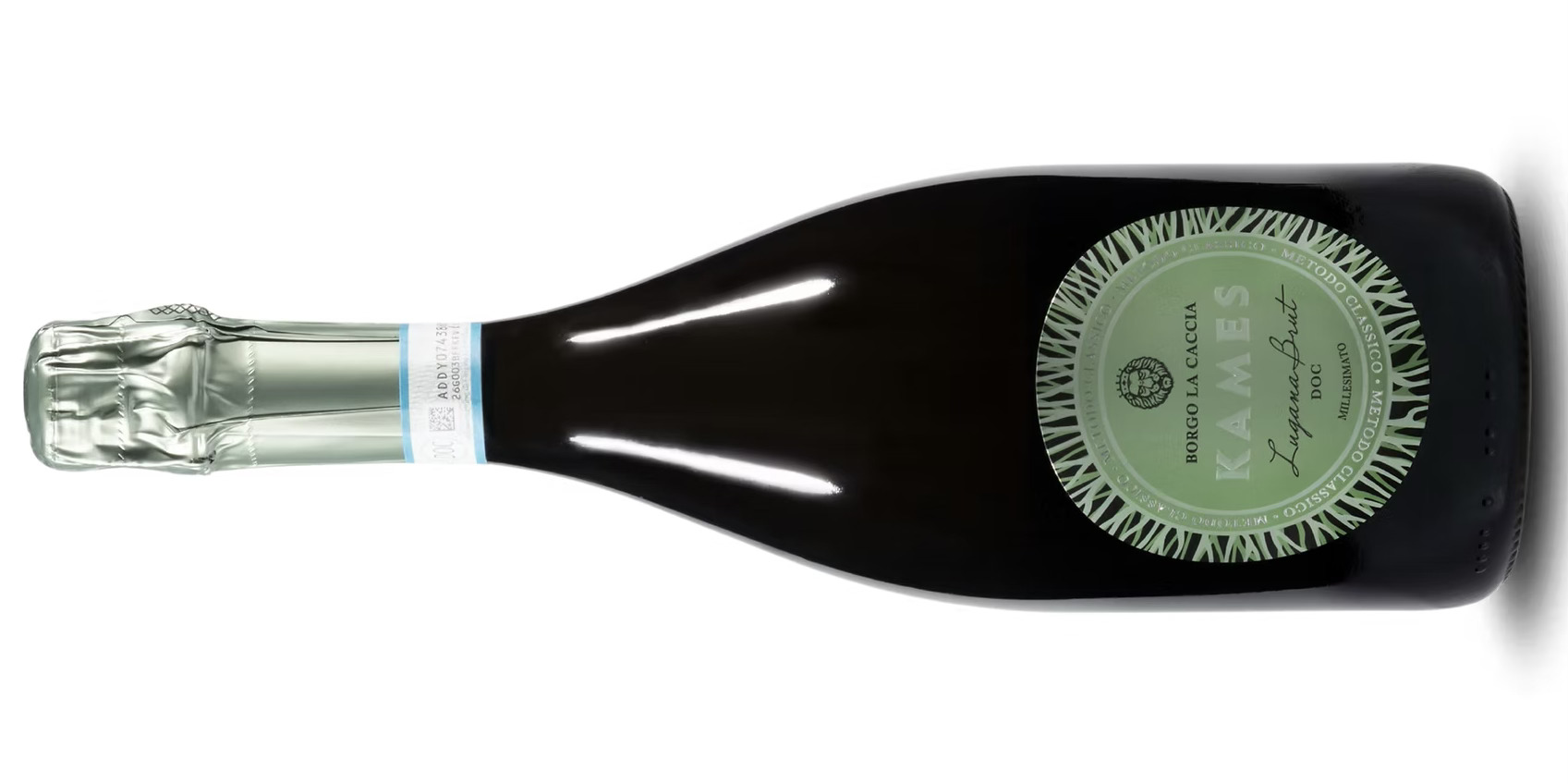
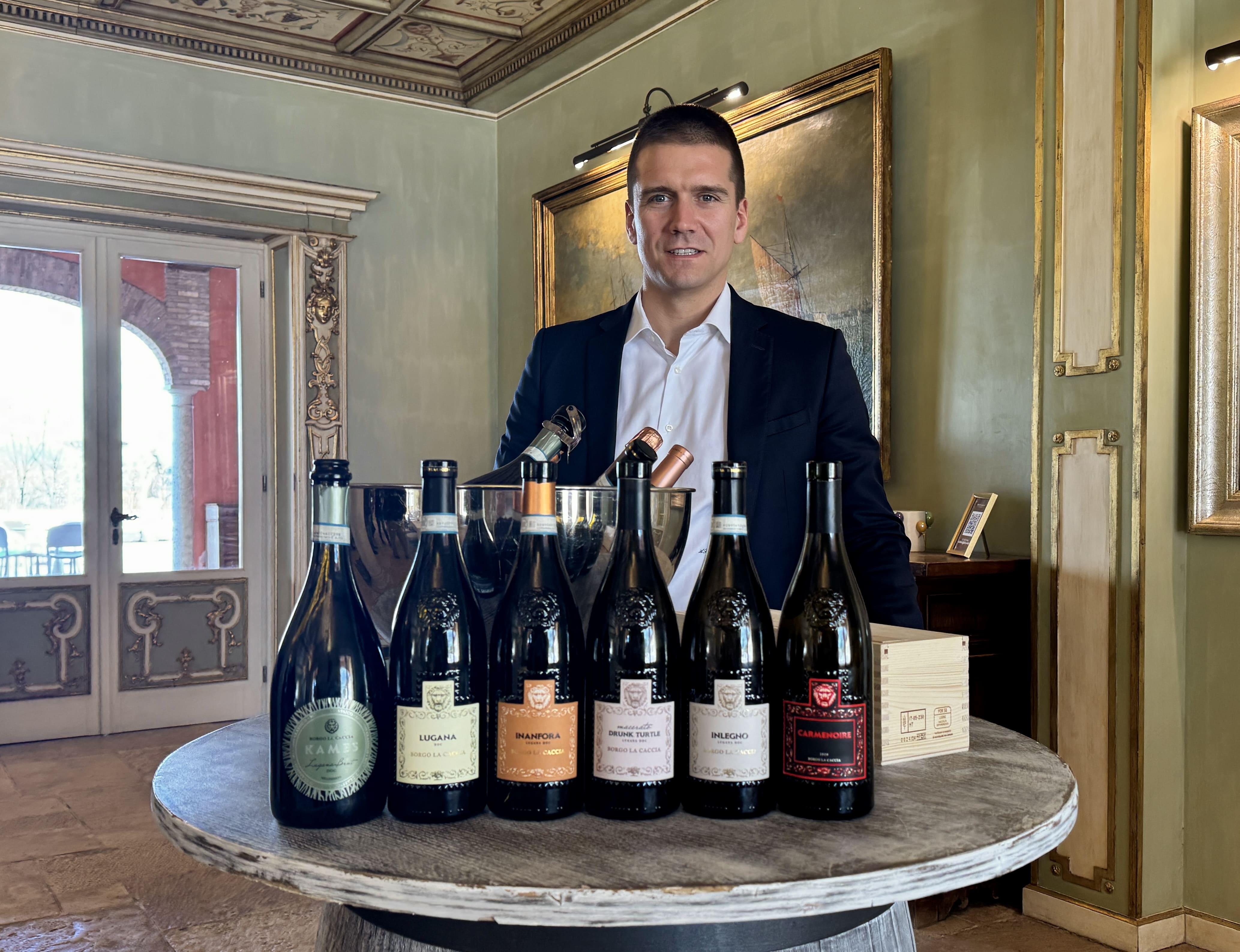
Kames – Lugana DOC Brut Vintage Traditional Method 2021 The tasting opens with Kames, a Traditional Method sparkling wine obtained exclusively from Turbiana. The vintage tasted is 2021, with tirage carried out in 2022 and disgorgement scheduled for 2025 after approximately thirty-six months on the lees. The dosage falls within the Brut style, around 6.8 g/L.
The secondary fermentation takes place at a controlled temperature between 15 and 17 °C, a choice that slows the refermentation and favors the formation of a particularly fine perlage.
The wine expresses citrus notes accompanied by delicate hints of cream and yeast. The palate progression emphasizes freshness, precision and a particularly fluid, dynamic character.
Kames also represents an important step in the estate’s history: Borgo La Caccia was among the first wineries in the area to experiment with the Traditional Method from Turbiana, initially with limited production and manual remuage.
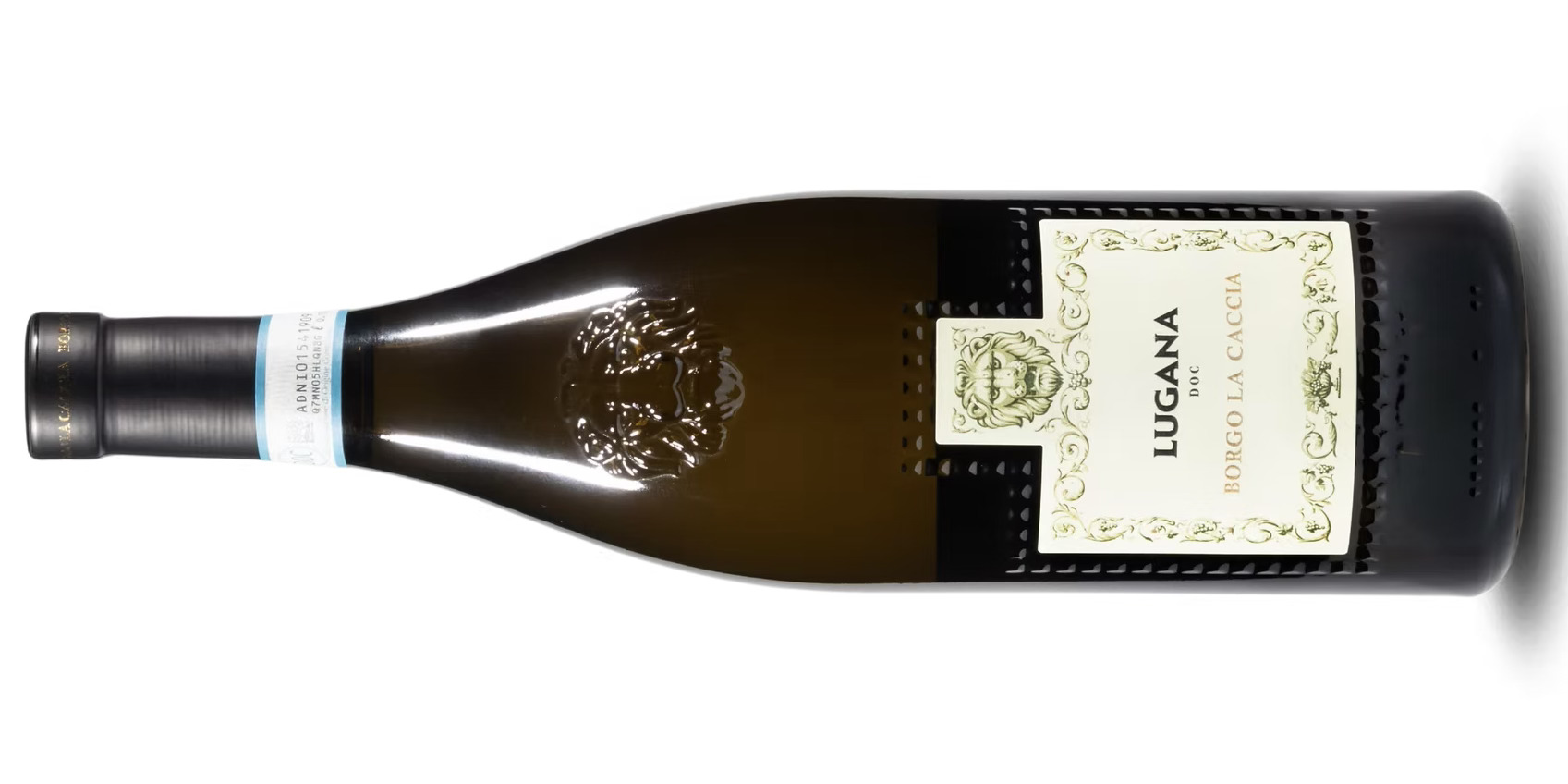
Lugana DOC 2025 The second wine introduces the more direct expression of the estate’s production. Lugana DOC 2025, bottled only a few weeks ago, is in an early stage of evolution and highlights the varietal character of Turbiana.
Vinification takes place entirely in stainless steel, with the aim of preserving the aromatic clarity of the grape variety.
The grapes come from the morainic hills between Desenzano and Sirmione, where soils composed of clays, limestone and morainic deposits rich in pebbles contribute to the typical mineral imprint of the wines of the appellation.
The wine stands out for its energy, expressive immediacy and a well-defined savory tension.
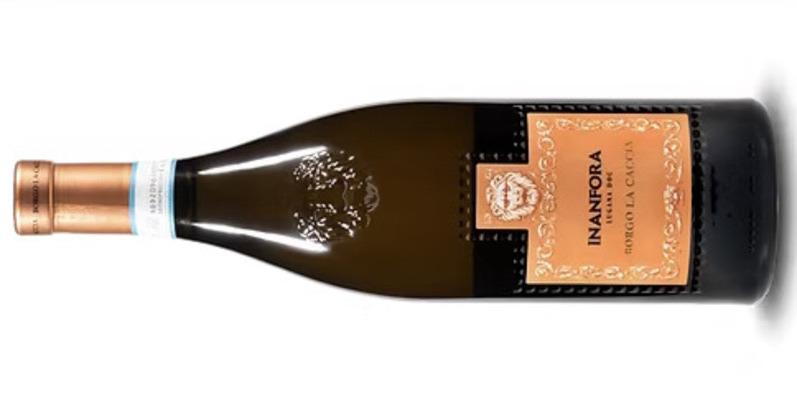
Inanfora – Lugana DOC 2024 Inanfora is produced from Turbiana grapes subjected to gentle pressing followed by fermentation in terracotta amphorae.
The wine remains for a long time on the fine lees and continues its ageing between amphora and stainless steel for several months.
The expressive profile gains greater breadth, with notes of ripe fruit accompanied by light evolutionary nuances. The palate progression appears deeper and more articulated, supported by the natural savory imprint of the grape variety.
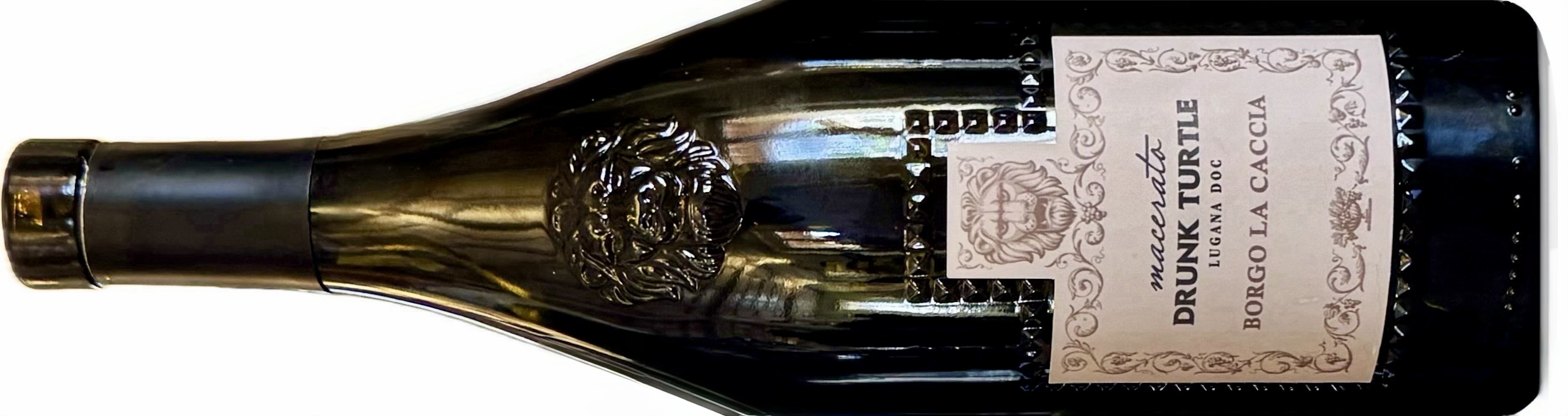
Drunk Turtle – Lugana DOC 2024 macerated
Drunk Turtle represents one of the most radical expressions of the estate’s research.
Turbiana is vinified with skin maceration that can last from six months up to about a year. Fermentation and ageing take place in cocciopesto vessels, an ancient material composed of terracotta fragments and mortar already used in Roman construction traditions.
The result is a white wine of great substance, with a more compact texture, complex aromas and a very long persistence. Production is limited and represents one of the experimental lines of the winery.
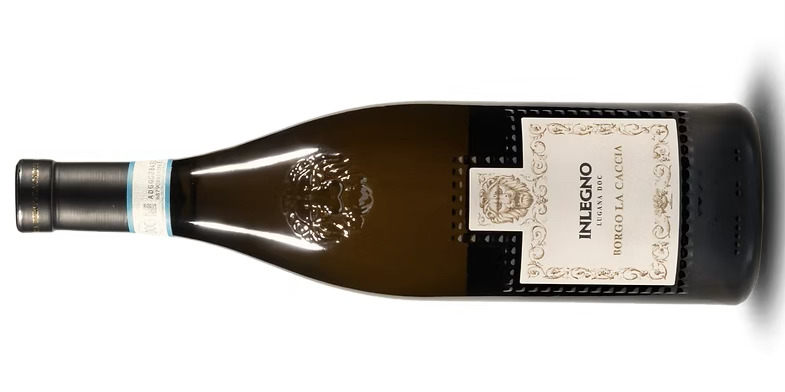
Inlegno – Lugana DOC 2024 With Inlegno, the vessel itself assumes a central role in the evolution of the wine.
Alcoholic fermentation and malolactic fermentation take place directly in wooden casks of about 20 hectolitres, followed by ageing on the fine lees for around twelve months.
The casks used are untoasted, allowing the wood to integrate naturally with the varietal identity of Turbiana.
The wine develops a broader and more layered aromatic profile, while on the palate the structure appears more relaxed, supported by the typical saline imprint of the morainic soils of Lugana.
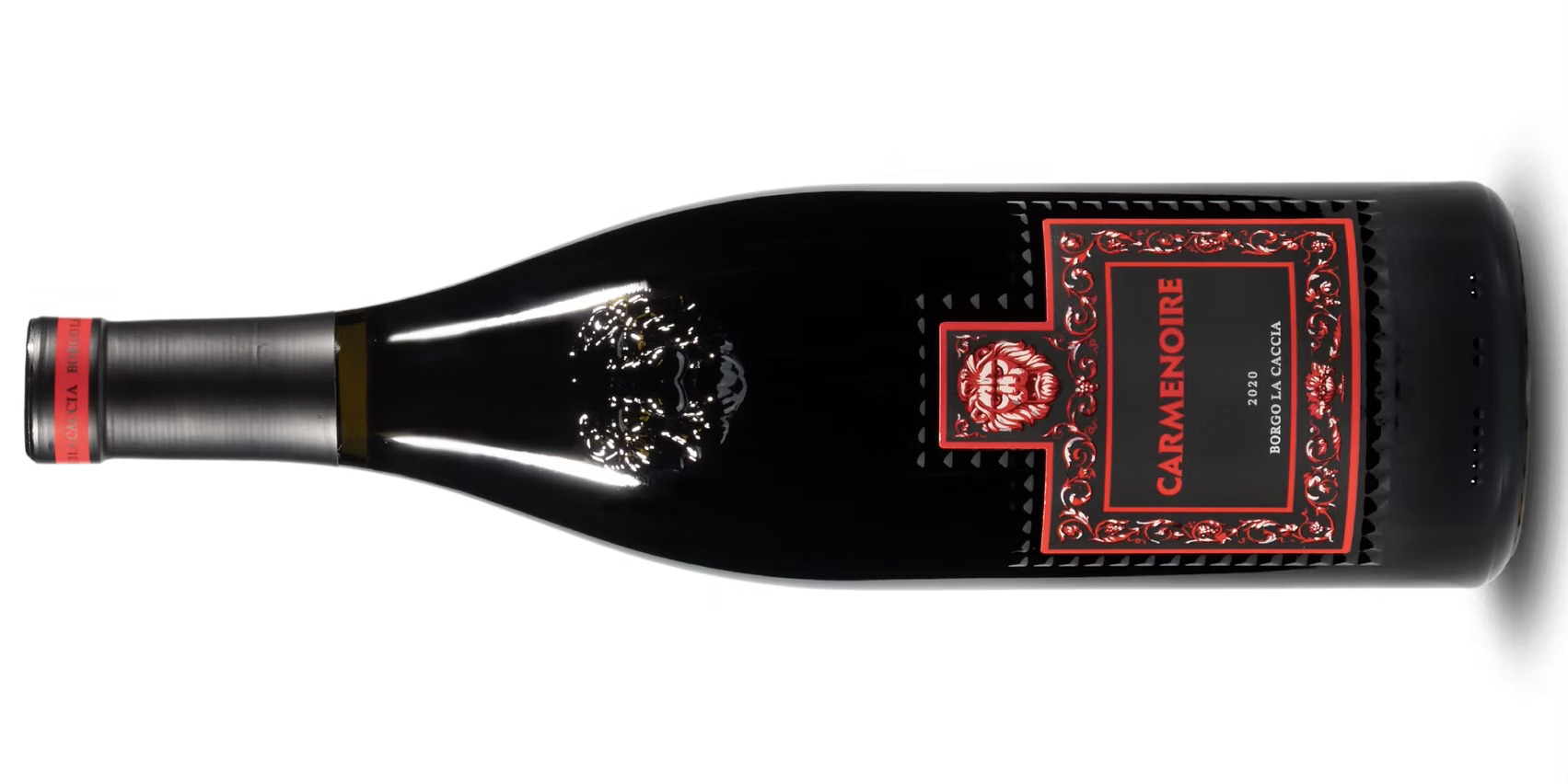
Carmenoire – Alto Mincio Rosso IGT 2020 The tasting concludes with Carmenoire 2020, a red wine obtained from the blend of Carmenere and Pinot Noir.
Fermentation takes place in truncated conical oak vats, while ageing continues for about sixteen months in barriques.
The wine develops an intense profile with notes recalling dark fruit, balsamic accents and spices. The palate shows density and balance, with well-integrated mature tannins and a long, articulated finish.
Through this sequence, the dual enological identity of Borgo La Caccia clearly emerges: on the one hand the territorial interpretation of Turbiana, on the other the technical research on fermentation vessels.
The founder Giovanni Bonomelli is remembered as a person rich in ideas and visions that gradually took shape over time.