Cembra, the mountain Pinot Noir becomes a traditional-method sparkling wine
27
Sep 2026
Condividi su:
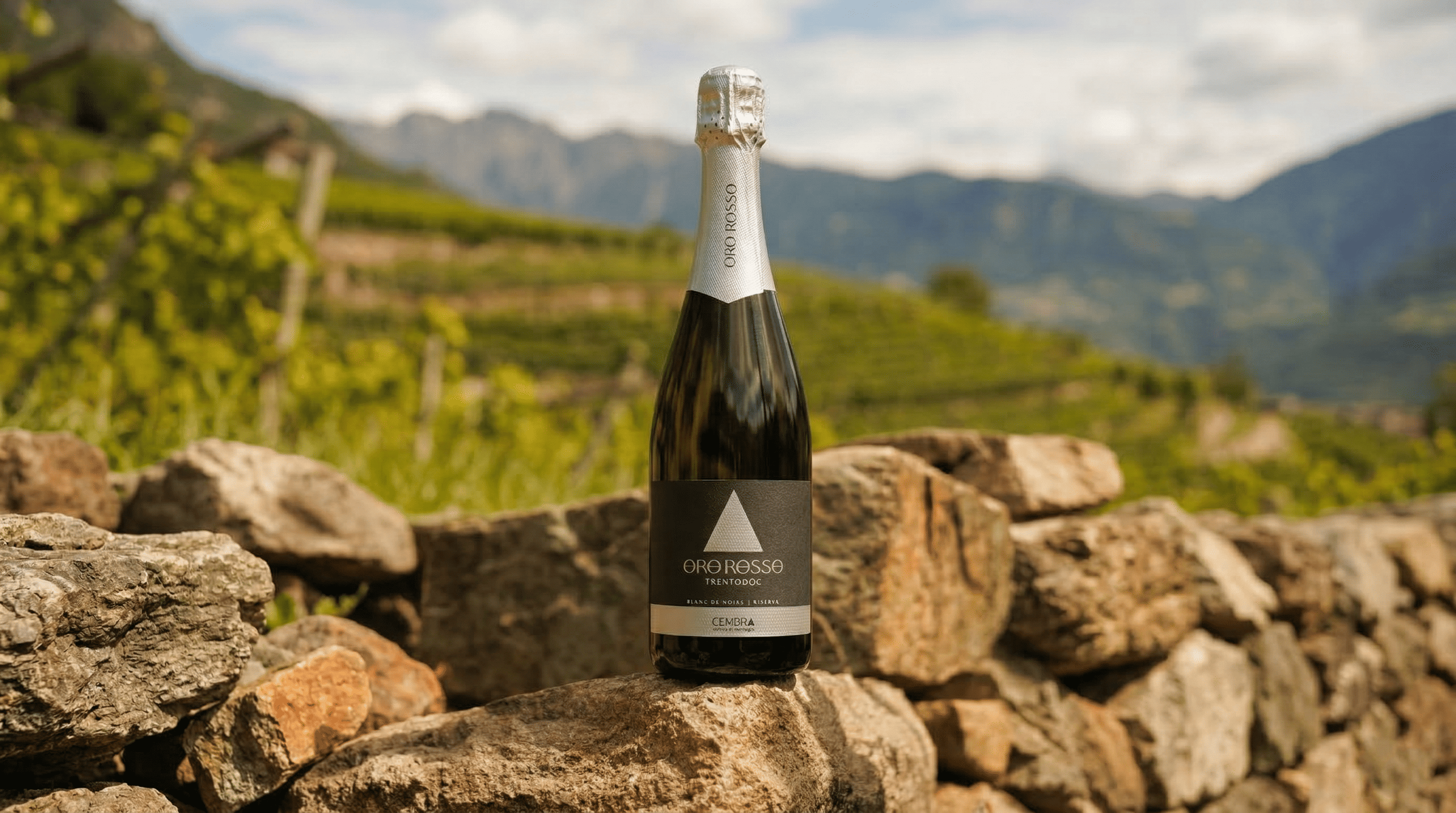
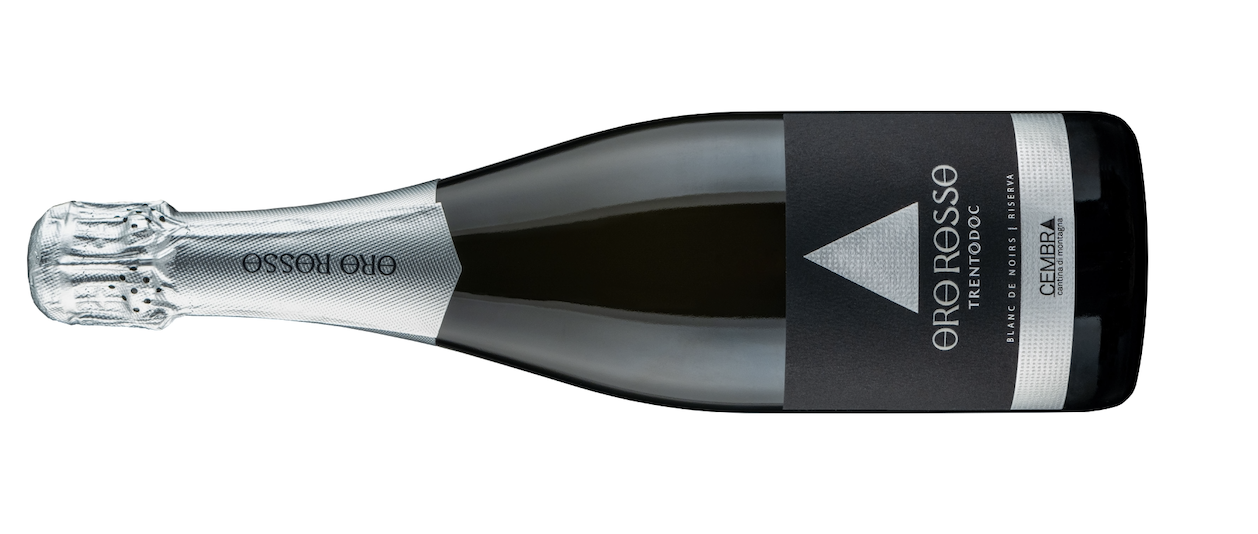
“Oro Rosso” Trento DOC Riserva 2019, Blanc de Noirs Presented on March 18 in Milan, at the Rumore venue, by Stefano Rossi, winemaker of Cembra Cantina di Montagna, “Oro Rosso” was conceived as the synthesis of years of work on mountain Pinot Noir. An interpretation in the traditional method that places the wine’s substance, tension, and the identity of the Valle di Cembra at its core.
The project has been built over time and presented with the same coherence with which it was conceived, as a true supply-chain project. With this new label, the winery also expands the “Oro Rosso” Trento DOC line, already launched with the Riserva Dosaggio Zero version based on Chardonnay, adding a new interpretation dedicated to Pinot Noir.
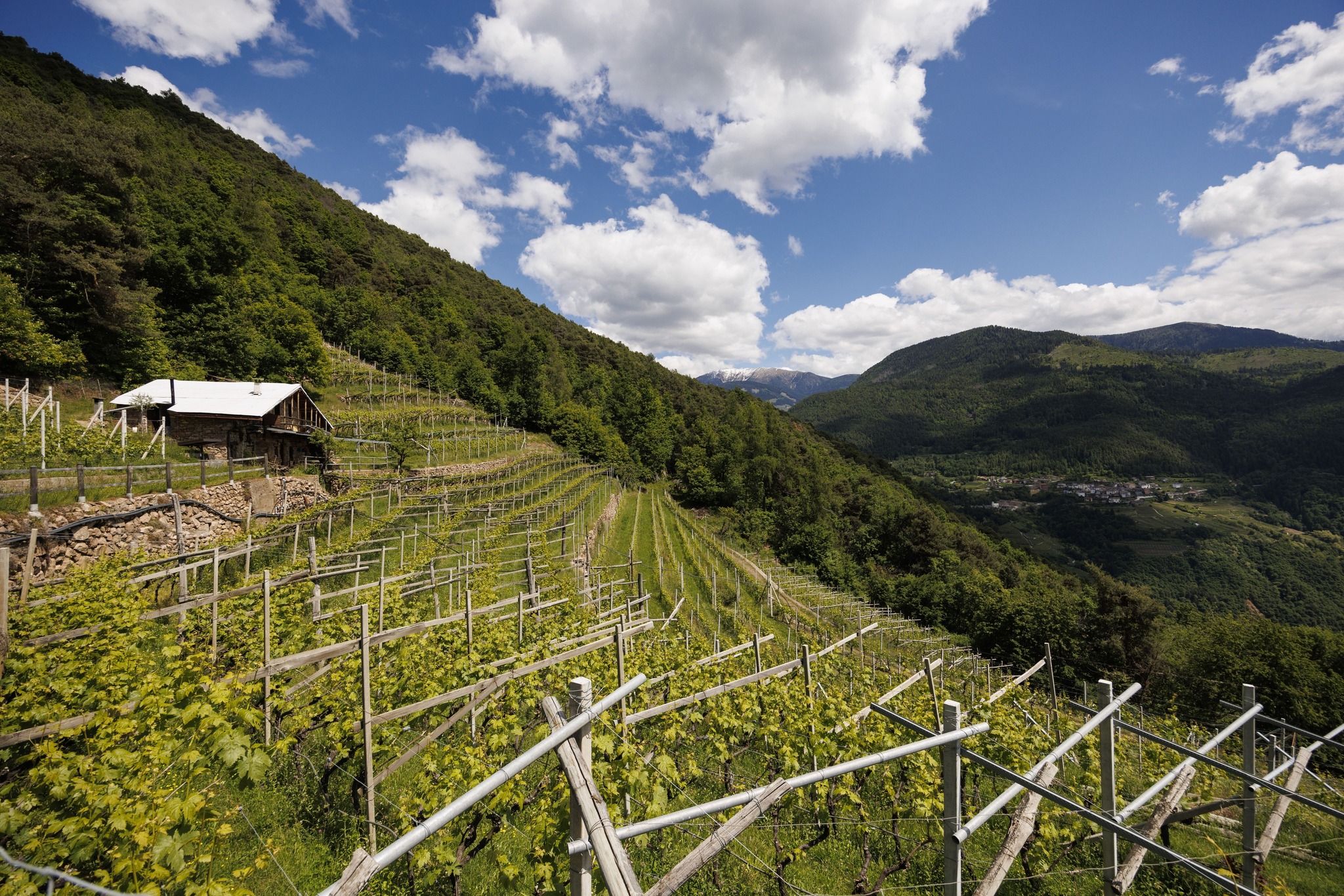
The Valle di Cembra In the heart of eastern Trentino, viticulture develops within a mountainous landscape defined by steep slopes, high elevations and entirely manual work. The vineyards lie between 600 and 700 meters above sea level, with predominantly south, south-west and south-east exposures, on slopes reaching inclinations of up to 40%, supported by more than 700 kilometers of dry-stone walls.
The climate is severe, with temperatures that can drop to –15°C. In this landscape, around 300 grower-members operate, often working plots smaller than half a hectare, where mechanization is almost impossible and the harvest remains entirely manual, frequently involving entire families.
The soils have a sandy-loam composition, moderately deep and well drained, with a good level of organic matter that ensures balanced vegetative growth for the vines. The dominant geological element, however, is porphyry, an effusive volcanic rock with shades ranging from orange to red and violet, which shapes the distinctive landscape of the valley.
The very name Oro Rosso refers precisely to this stone. Porphyry, extracted and worked in the valley for centuries, represents one of the region’s greatest resources and contributes to shaping both its agricultural and cultural landscape. In the vineyards, its presence in the soils helps define the character of the wines, giving them salinity, tension and depth of flavor.
From history to Pinot Noir
The history of the winery dates back to 1952, when around fifteen farmers decided to join forces in order to escape the logic of bulk wine sales, often undervalued by intermediaries who tended to denigrate its quality in order to lower the price.
At that time, viticulture was almost entirely devoted to red varieties, dominated by Schiava, which represented around 80% of production.
Today the picture has completely changed: 80–85% of the vineyard area is dedicated to white varieties, while Pinot Noir, although accounting for around 15%, has taken on an increasingly important role both in the production of still wines and in the development of traditional-method sparkling wines.
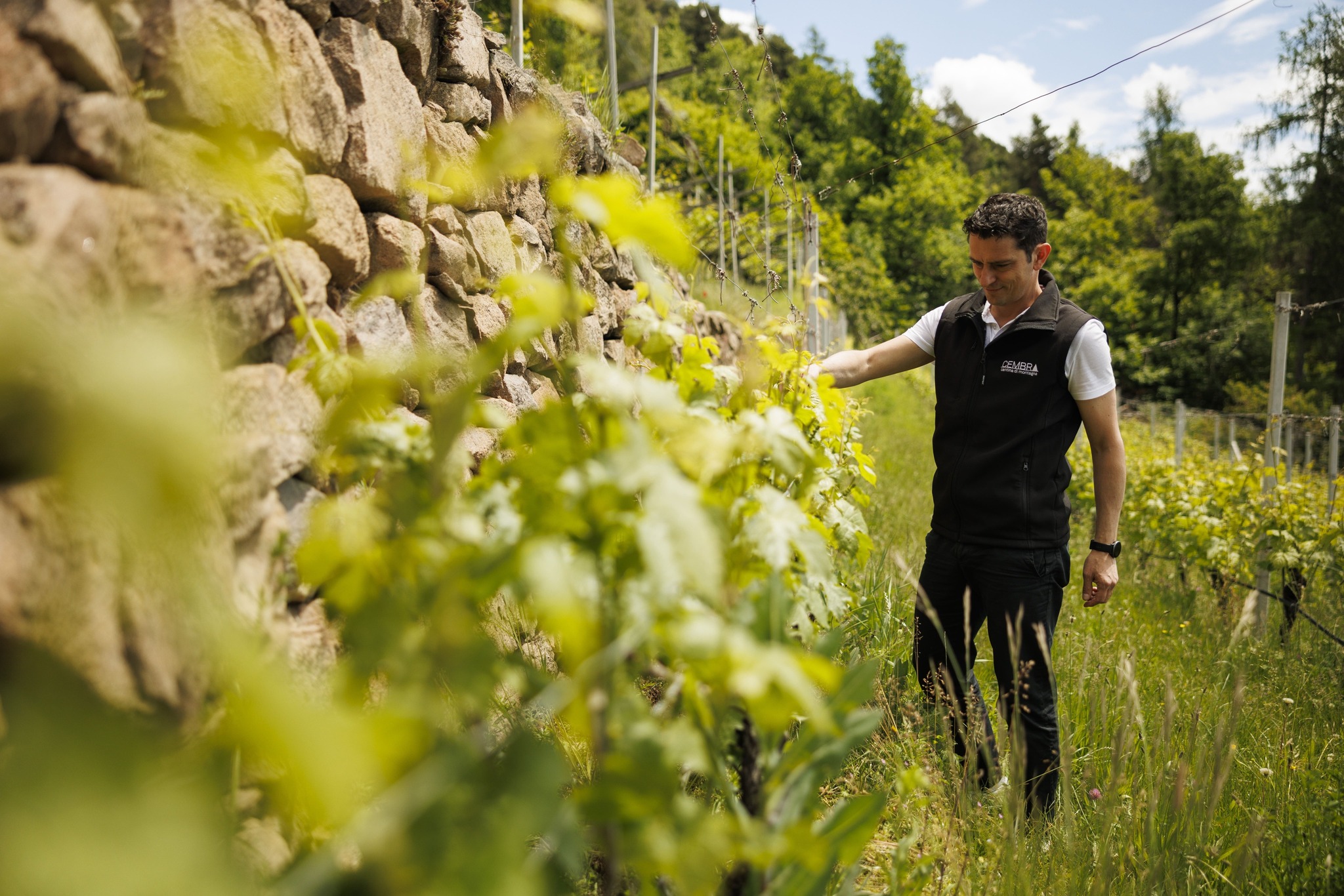
Work on this variety has been developed over the years both in the vineyard and in the cellar under the guidance of winemaker Stefano Rossi, following an approach built on observing the vines, tasting the grapes and drawing on the memory of sensations collected throughout the season.
Vintage, vinification and time
“Oro Rosso” is born from a selection of Pinot Noir from the highest vineyards of the valley, trained using the traditional systems of the region: Trentino simple pergola and Guyot. The project took shape with the 2019 vintage, with an initial production of around 3,100 bottles and a restrained yield of about 50–55 hl/ha.
The 2019 vintage proved particularly favorable. A very rainy spring delayed flowering by about 10–15 days, pushing the harvest to September 4, later than the valley’s historical average, usually between August 24 and 25. After a still unstable July, August and September were dry and breezy, with daytime temperatures around 25°C, ideal conditions for preserving freshness and aromatic integrity.
The Pinot Noir arrived at the winery healthy and perfectly intact, with significant analytical parameters: about 16.7 potential alcohol, pH around 3.0, and very high acidity close to 11 g/L, a key element for the wine’s evolution.
Pressing is very gentle, with a yield of around 50%, limited exclusively to the cuvée (free-run juice). No intervention is carried out to modify the color, which naturally appears with slightly coppery reflections. After a cold static settling, fermentation takes place at a controlled temperature of around 18°C.
The wine then undergoes a first aging on the lees in stainless steel for about six months. The assemblage consists of 85% 2019 base wine and 15% reserve wines of Pinot Noir aged in very old barriques. The base wine fully preserves its acid structure, maintaining malic acid, while the reserve wines do not undergo malolactic fermentation. The very low pH levels also allow the use of sulphur dioxide to be limited to about 40 mg/L total.
Tirage takes place in spring 2021. From that moment the wine continues its aging on the lees for 48 months, until disgorgement in 2025.
The dosage is Extra Brut, about 4.5 g/L, calibrated through a light liqueur made from the same wine. The final wine reaches 12% alcohol while maintaining a significant acid structure, with about 7.5 g/L total acidity.
The phase after disgorgement is also crucial: the wine gradually finds its balance between one and two years after disgorgement, although a minimum period of about four months is required before release.
“Oro Rosso” Trento DOC Riserva 2019, Blanc de Noirs
On the nose, the “Oro Rosso” Blanc de Noirs reveals a clear and layered profile, where small red fruits intertwine with citrus nuances. Subtle smoky notes then emerge, together with delicate spicy hints and echoes of mountain herbs.
On the palate the wine is tense and direct, with a still vibrant structure that unfolds in breadth while maintaining a strong acidic backbone. The finish is long and saline, perfectly consistent with the mountain identity of the Valle di Cembra. An evolving style
Over time, the style of the wines has evolved. The earliest expressions, once more rigid and sharp-edged, have gradually given way to more balanced interpretations, thanks to the use of reserve wines and a more attentive management of aging times.
Pinot Noir itself, initially regarded as a challenging variety in this high-altitude environment, has shown a strong capacity to adapt.
The winery also produces a Chardonnay Riserva 2020, aged for 48 months on the lees, vinified in stainless steel, zero dosage and disgorged in December 2025. Harvested on September 5, practically at the same time as the Pinot Noir, it displays a more elegant and balanced profile, in contrast to the more assertive character of the Pinot Noir.
Outlook
The winery’s work continues with a process of zoning and climate adaptation, enhancing cooler exposures such as north-facing slopes, in a path already underway and destined to develop further over time.
The comparison with other territories, from Champagne to Franciacorta, remains a reference point but not a model to replicate. The objective is to maintain an autonomous interpretation, where the method remains a tool rather than an end in itself.
“Oro Rosso” fits within this journey as a coherent expression of the Valle di Cembra, an interpretation of mountain Pinot Noir that places territory, altitude and substance at its core.