Farina Wines: The Remo Farina Collection, Between Heritage and New Perspectives
05
Nov 2026
Condividi su:
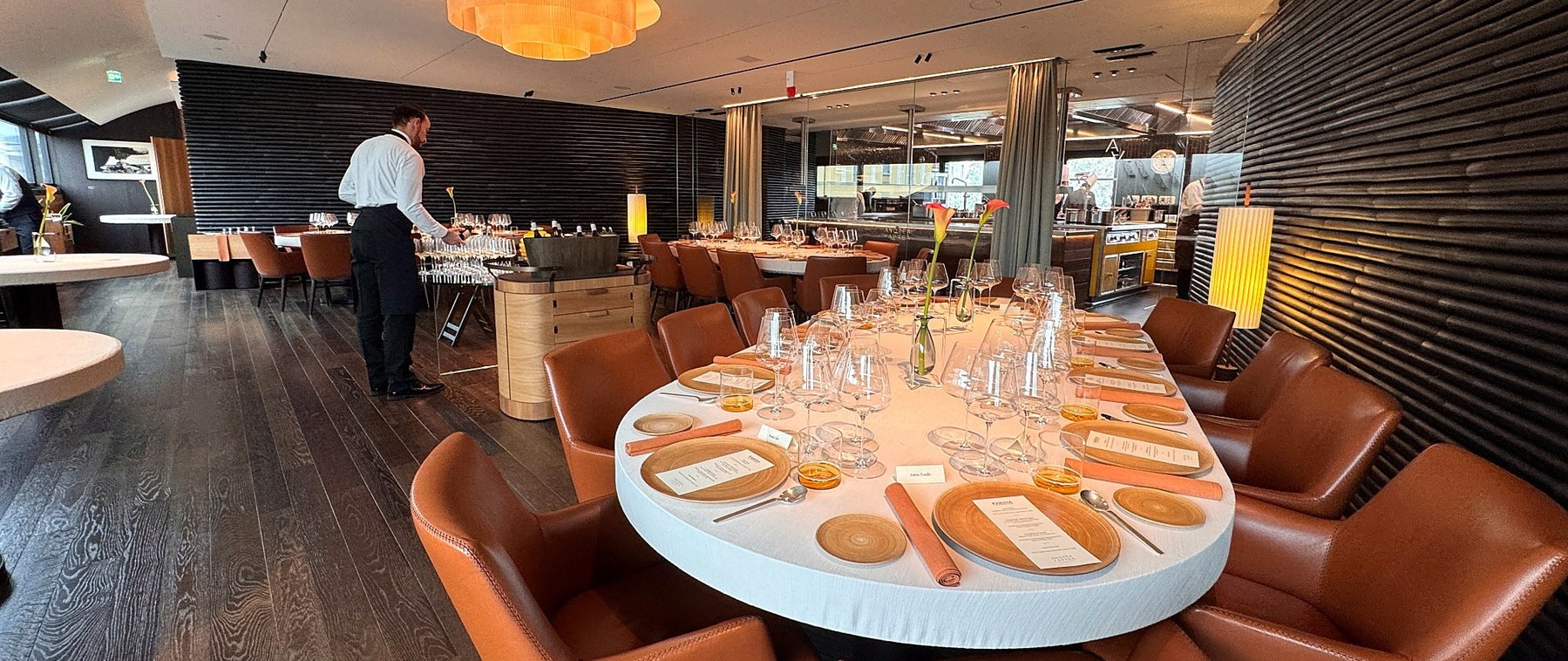
On October 20, at the two-Michelin-starred Andrea Aprea restaurant, located within the Fondazione Luigi Rovati in Milan, Farina Wines presented the Remo Farina Collection, a project dedicated to a pivotal figure in the winery’s history and his vision of wine.
The story was brought to life by Elena and Claudio Farina, who now lead the fourth generation of the family business, alongside oenologist Andrea Zerman. Together, they guided guests through an event that wove together family memories, winemaking decisions, and a tasting experience complemented by the cuisine of chef Andrea Aprea.
Founded in the early twentieth century in Pedemonte, in the heart of Valpolicella Classica, Farina Wines underwent a significant transformation under Remo, Sandro, and Piero Farina, who played a key role in the transition from traditional agricultural production to a more quality-driven approach to viticulture. Remo, in particular, helped shape a distinctive style defined by the richness of the fruit, softness, and a constant pursuit of balance.
Elena recalled his personality and his close relationship with oenologist Luigi Andreoli, who contributed to the winery’s evolution over many years. This legacy of values, expertise, and vision continues today through the work of the new generation, supported by oenologist Andrea Zerman.
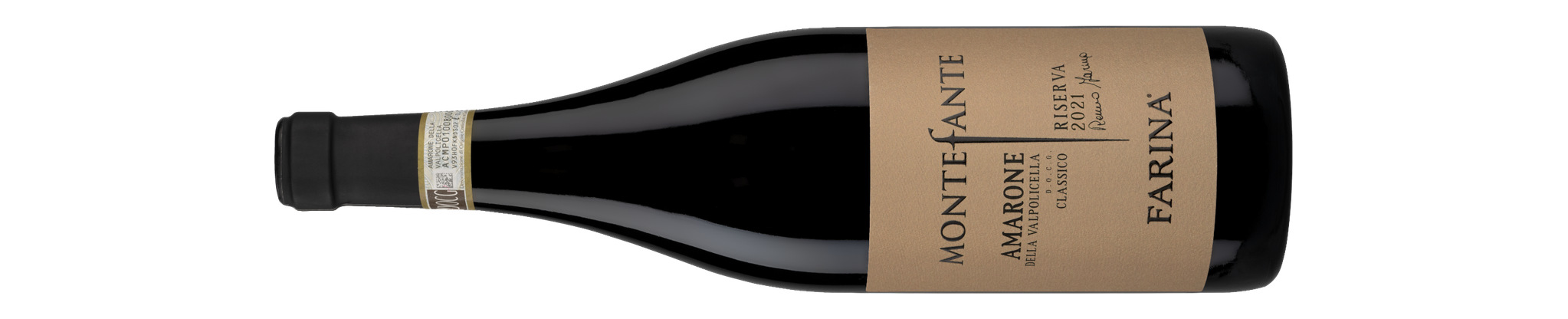
The collection brings together three wines that have long been representative of Farina’s production: Corte Conti Cavalli, Montecorna, and Montefante. Three distinct wines in terms of origin, blend, and winemaking techniques, each offering a different interpretation of Valpolicella. Particularly significant is the story of Montefante, created in 1997 following an intuition by Remo Farina, who decided to extend the grape-drying period to produce an Amarone of greater concentration and complexity.
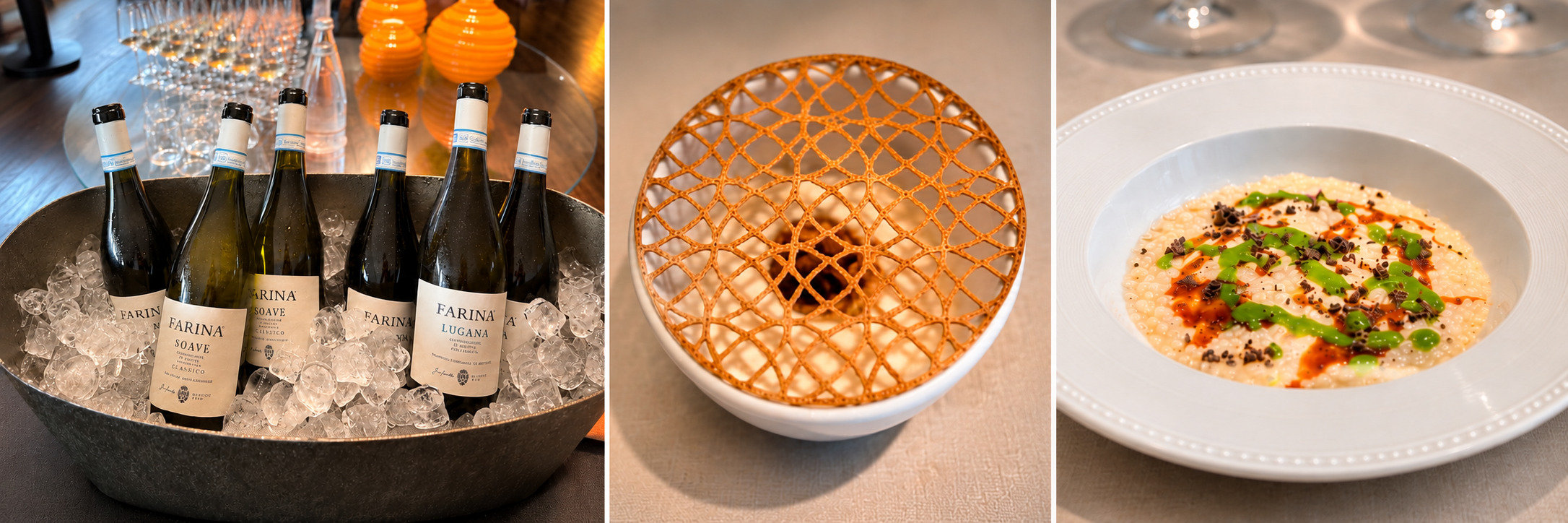
Following an aperitif featuring Lugana DOC 2025 and Soave DOC Classico 2025, the experience continued at the table, where Andrea Zerman explored the characteristics of the wines and the different winemaking choices, while Claudio Farina emphasized the importance of communicating about wine in a way that brings people closer to it without compromising expertise. His concept of “returning to the past by embracing the future” aptly captures this desire to rediscover the value of human relationships through contemporary forms of communication.
The Tasting
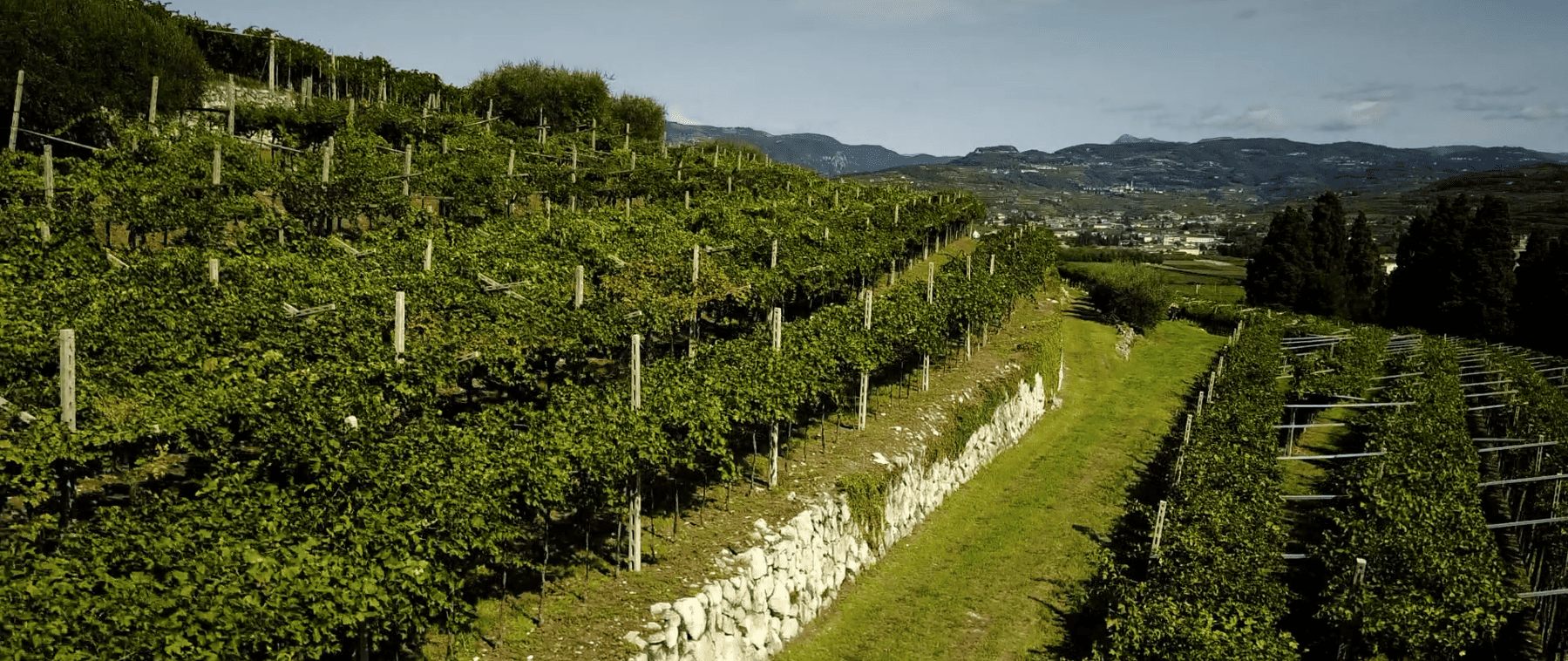
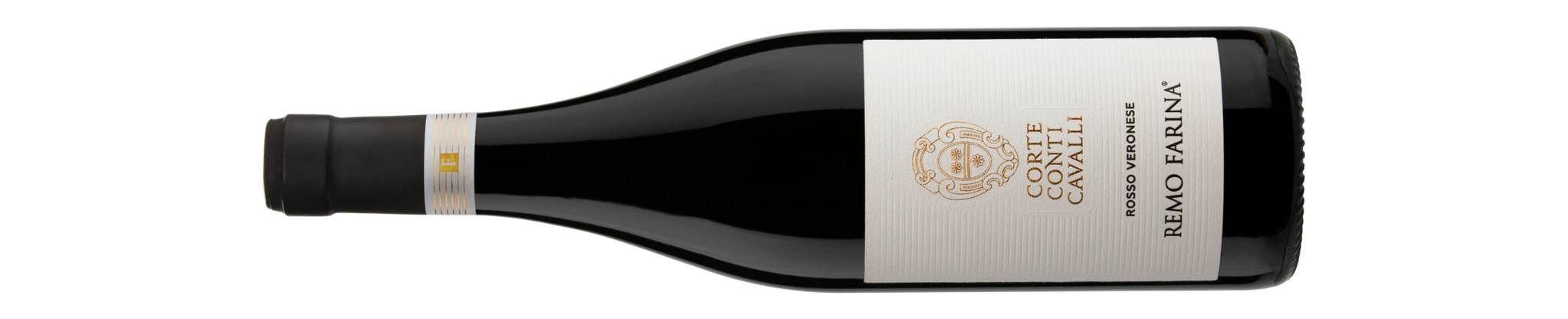
Corte Conti Cavalli Rosso Veronese IGT 2023 80% Corvina, 20% Merlot The first wine of the tasting comes from the hills of San Pietro in Cariano, at an altitude of approximately 400 metres, on soils of volcanic, limestone and gravelly origin. The grapes are harvested by hand, beginning in early October. The Corvina undergoes a brief drying period of approximately fifteen days, followed by fermentation at 26°C with selected yeasts and délestage. Spontaneous malolactic fermentation follows. Ageing takes place partly in barriques (50%) and partly in stainless steel tanks (50%), followed by a period of bottle ageing.
An approachable and immediately appealing wine, in which ripe raspberry and red fruit preserves are complemented by a delicate hint of ginger.
On the palate, a soft opening gives way to a broad, enveloping development, with well-integrated tannins accompanying the wine’s progression without disrupting its continuity. The vibrancy of the fruit sustains the tasting experience, while the finish retains a pleasant touch of spice.
The same softness carries through to the pairing with uovo di selva, where the sweetness of chestnut finds a natural counterpart in the wine’s ripe fruit, while liquorice introduces a subtle bitter nuance and aged Grana Padano Riserva adds a savoury dimension that enlivens the finish.
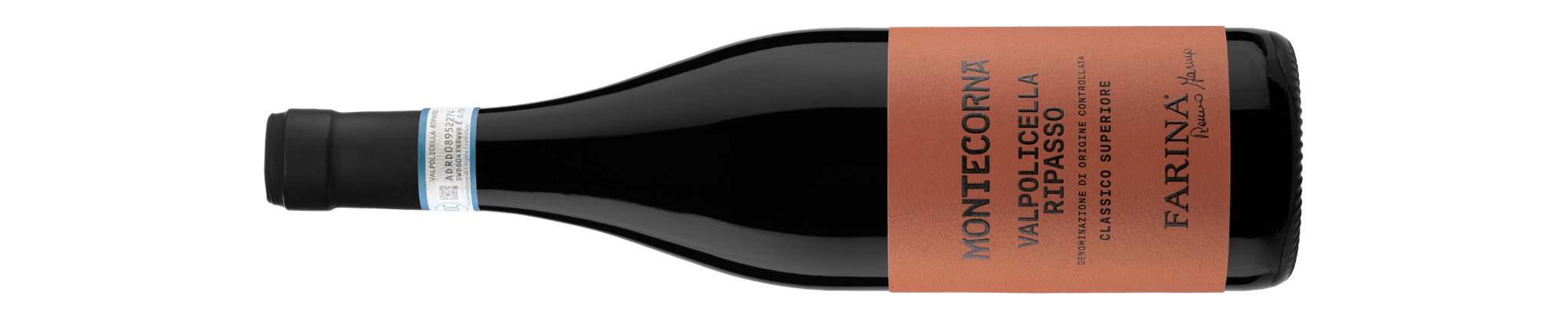
70% Corvina, 15% Corvinone, 10% Rondinella, 5% Molinara The grapes come from the Montecorna vineyard on Monte Masua, in San Pietro in Cariano, at an altitude of approximately 300 metres, on stratified limestone soils with the presence of basalt. Harvesting is carried out by hand, beginning in mid-September. After a brief cold maceration, fermentation takes place in stainless steel tanks at 28°C with selected yeasts, followed by malolactic fermentation. The resulting Valpolicella then undergoes the Ripasso process on Amarone pomace, triggering a second fermentation. Ageing lasts one year, with 50% in 20- and 30-hectolitre Slavonian oak casks and the remaining 50% in barriques, followed by an additional period of bottle ageing.
The aromatic expression unfolds with notes of black cherry and dark plum, accompanied by leather and subtle hints of vanilla and toast.
On the palate, the opening is denser, with a texture that gains breadth as it develops, supported by polished tannins. The progression remains balanced, without allowing the structure to overshadow the wine’s seamless flow, leading to a persistent finish in which dark fruit and spices return.
The same depth carries through to the pairing with Carnaroli rice and beef Genovese, whose richness is complemented by the density of the Ripasso, while the pleasantly bitter notes of escarole and the savoury character of black olives and Caciocavallo Podolico introduce contrasts that create a more dynamic dialogue between the wine and the dish.
Montefante Amarone della Valpolicella DOCG Classico Riserva 2021
45% Corvina, 30% Corvinone, 15% Rondinella, 5% Molinara, 5% Dindarella Montefante represents the most prestigious expression of the collection and the wine most closely associated with Remo Farina’s vision. It originates from the vineyard of the same name on the Castelrotto hillside, at an altitude of 350 metres, on stratified limestone soils with the presence of basalt.
The grapes undergo approximately ninety days of natural drying, during which they may lose up to 40% of their weight. This is followed by five to seven days of cold maceration and fermentation in stainless steel tanks, while malolactic fermentation is initiated in Tulipe-shaped concrete vessels. Ageing involves twenty-four months in barriques, a further twenty-four months in large Slavonian oak casks, and at least six months in bottle.
A wine of remarkable depth and complexity, expressing blackberry, plum preserved in alcohol and concentrated raspberry, accompanied by black pepper, coriander and cinnamon. The aromatic nuances gradually unfold in the glass, revealing an increasingly complex expression.
On the palate, the opening is rich and concentrated, with a texture that gradually expands, supported by silky tannins. The richness of the structure finds its balance in a harmonious and seamless progression, carrying the wine towards a long, persistent finish marked by spices and dark fruit.
The Fassona sirloin complements the structure of the Amarone through the succulence of the meat, while the mushroom ragù enhances its depth and the black pepper jus echoes the wine’s spicy nuances, creating a balance of textures and intensity that extends elegantly into the finish.
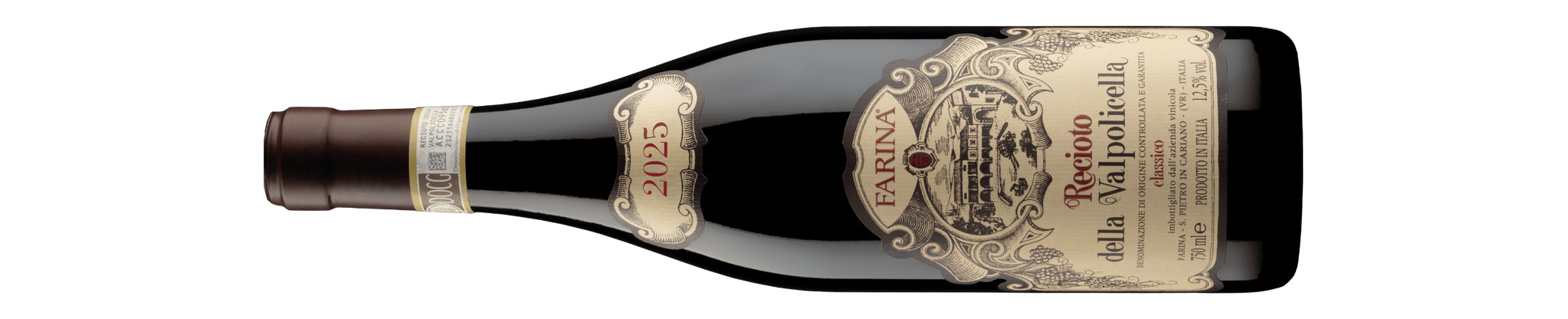
Recioto della Valpolicella DOCG Classico 2025
60% Corvina, 20% Rondinella, 5% Molinara, 15% other grape varieties To conclude the lunch, Recioto della Valpolicella Classico 2025, produced from grapes grown on the hills of Negrar, at an altitude of approximately 300 metres, on predominantly limestone soils with gravelly outcrops and the presence of basalt. The grape bunches undergo approximately four months of natural drying, followed by around ten days of cold maceration. Fermentation is initiated with selected yeasts and subsequently halted by lowering the temperature to preserve residual sugar. Ageing consists of six months in stainless steel tanks, followed by a further six months in bottle.
Intense and rich, the wine reveals elegant notes of ripe figs, raisins and black cherry preserves, beautifully defined nuances that express the concentration and generosity of the fruit. On the palate, it is full and enveloping, supported by a silky texture and a pleasant freshness that brings balance and vibrancy to the overall expression. The finish is long, harmonious and persistent, conveying the wine’s depth and distinctive personality. The pairing with an assortment of petits fours enhances its expressive richness, creating a delightful dialogue between the sweetness of the pastries, the intensity of the fruit and the balance of flavours.
BrainArt, When Emotions Become Images
A particularly fascinating experience during the presentation of the Remo Farina Collection was “Visioni di vino” (Visions of Wine), created with BrainArt®, a project that transforms brain activity recorded during wine tasting into an artistic composition, unique to each participant.
My personal choice was the Montefante Amarone della Valpolicella Classico Riserva 2021. During the tasting, my brain activity was translated into a composition of colours, swirling patterns and lines, giving shape to an individual representation of the encounter between wine, perceptions and emotions. An intriguing way to see the sensations evoked by a great Amarone transformed into a personal, unrepeatable image, capable of preserving the memory of that tasting experience.
The dialogue between wine, art and new technologies will continue on November 27, when Farina Wines will inaugurate a new chapter of Art Ferment, the project developed in collaboration with the Verona-based Artericambi gallery. The event will feature Argentine artist Mariano Sardón, with installations exploring the intersection of art, science and technology.
Above all, the presentation of the Remo Farina Collection offered an opportunity to rediscover, through three wines with distinct personalities, the journey of a family that has succeeded in preserving its identity while continuing to evolve. The stories shared by Elena, Claudio and Andrea Zerman, together with Andrea Aprea’s culinary pairings, brought this continuity to life, demonstrating how Remo Farina’s legacy remains deeply embedded in the winemaking decisions and distinctive style of the wines that bear his name.