Petra and Montebamboli: the New Face of the Tuscan Coast
18
Oct 2026
Condividi su:
An identity born from the land, refined over time and oriented toward the future. Petra renews its vision with a project that weaves together memory, territory and avant-garde. Montebamboli stands as its boldest expression.
Petra: the future of the Tuscan Coast starts here Petra is not merely a winery: it is an idea, a project, a territory aspiring to define a new enological identity for the Tuscan Coast. Founded in 1997 by Vittorio Moretti, a Franciacorta producer, it was born from the acquisition of vineyards on metal-rich soils, amid olive groves and woodland, with an initially Bordeaux-inspired imprint. Today, the Suvereto estate is entering a new phase, guided by the shared vision of the Terra Moretti Vino team.
The landscape alternates between metal-rich hills and the sea. From the heights, Elba Island comes into view, while the vineyards stretch across clay soils rich in iron, calcium and minerals: an ideal habitat for red grape varieties, enhanced by sea breezes, intense light and optimal chlorophyll synthesis.
The grape varieties are mainly Bordeaux-born, with different exposures. Sangiovese, present only in minimal proportions, does not find its most convincing expression here: proximity to the sea accelerates ripening, preventing the slow harmonization of tannins.
The libeccio wind carries sea spray, oxidizes the iron and reddens the soil. Cork oaks, which give Suvereto its name, coexist with a land generous in fruit, flowers and cereals.
Three main soil formations
Stony soils of tectonic origin, calcareous, poor and dry, with low clay content
Alluvial and erosive soils, rich in manganese and metals
Lower-lying areas with silty soils that lend elegance and aromatic finesse
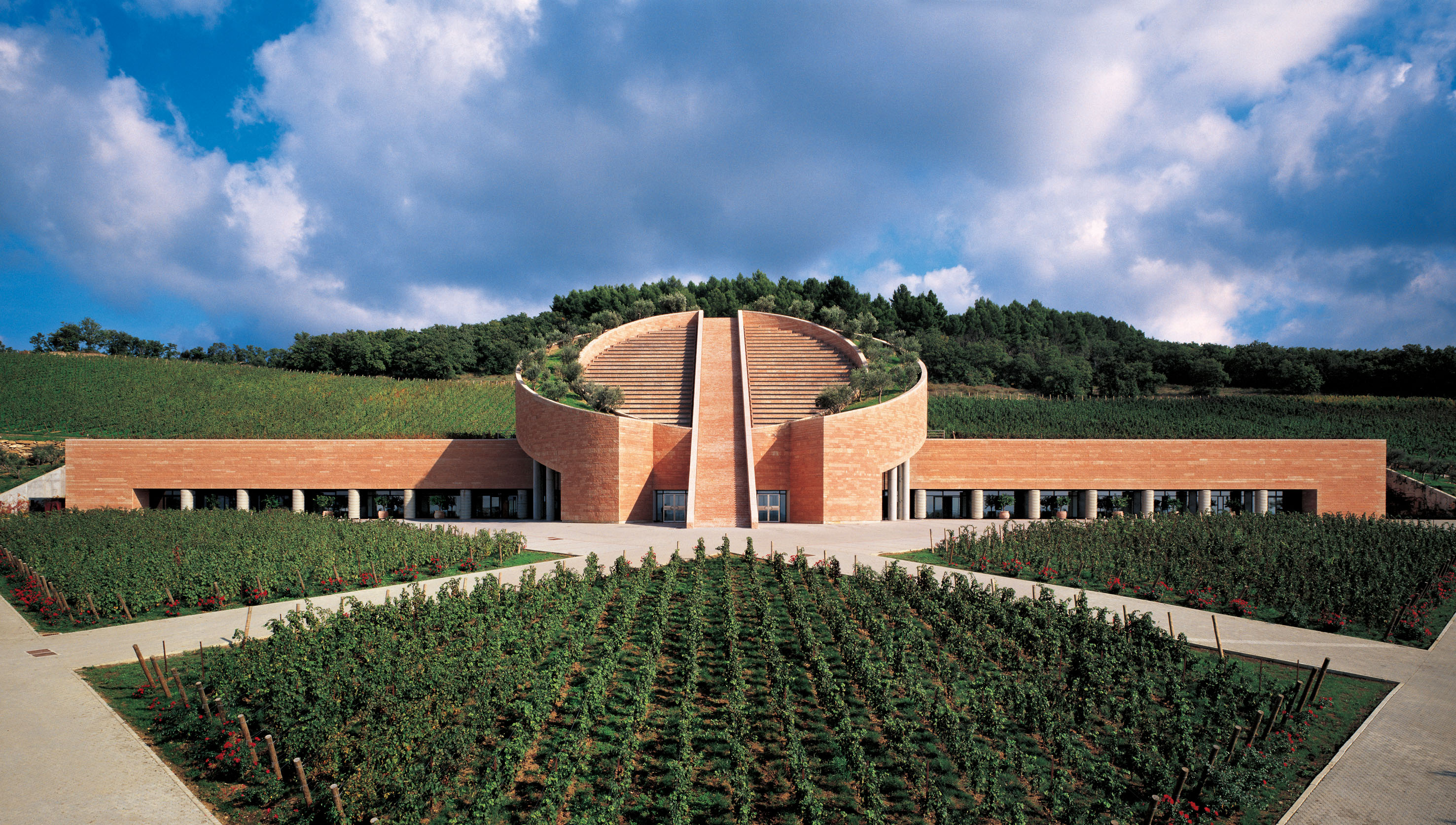
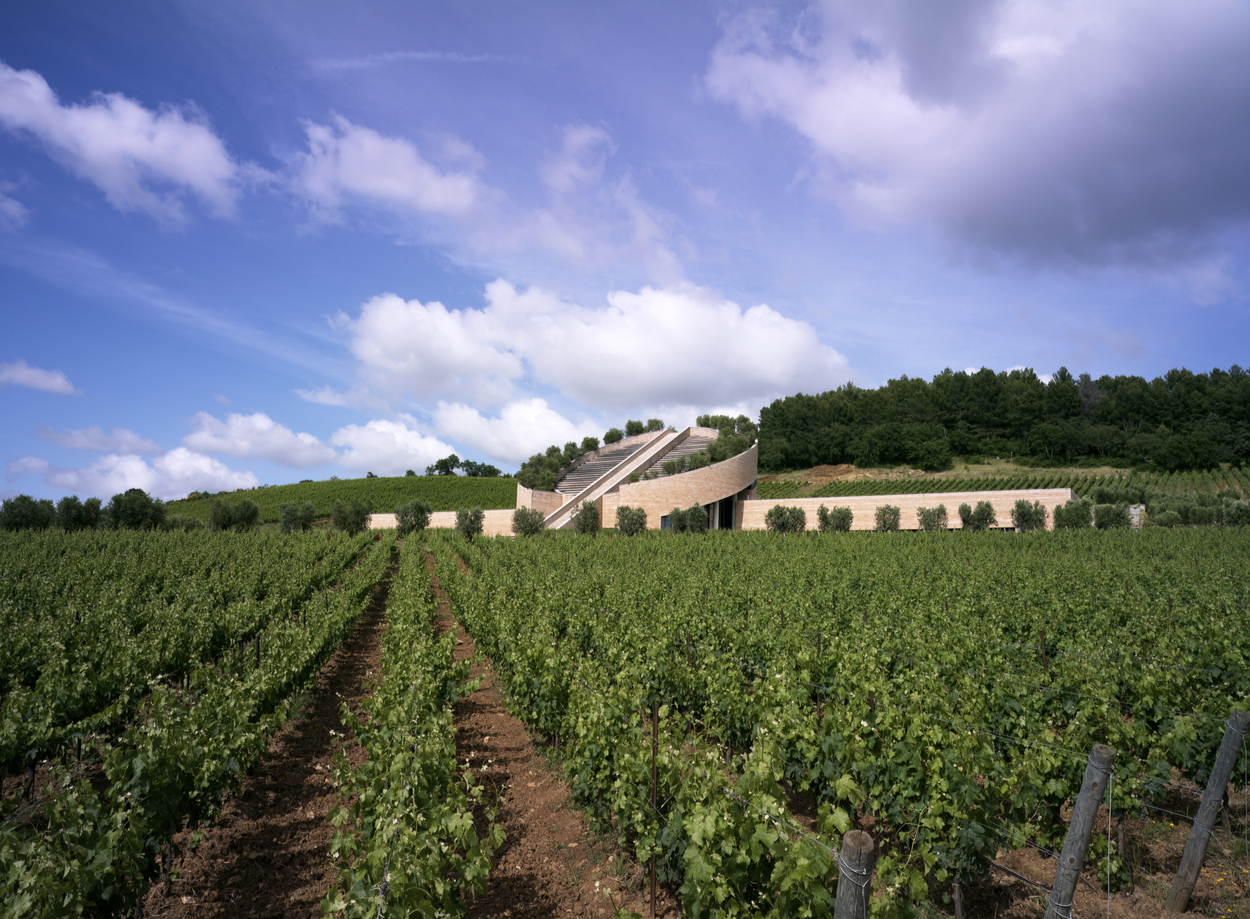
The winery, designed by Mario Botta, is a true temple of wine, conceived to host every stage of production and to preserve the essence of the land of Suvereto.
Today Petra offers a renewed perspective on terroir, combining tradition and innovation while seeking a profound balance between nature, land and human intervention. The goal is to transform the Bordeaux model into an authentically Mediterranean expression: wines that are elegant yet saline, balsamic, juicier and more vibrant, capable of reflecting the Tuscan Coast.
The Bordeaux varieties — Cabernet Sauvignon, Merlot, Petit Verdot — thus become instruments of a brighter, more maritime territorial voice. The key word is epigenetics: the memory of place that shapes the vine and leaves its imprint in the glass.
Vineyards, landscape and sensibility: the identity project The new vision stems from a transversal, three-dimensional approach: from the historical zoning work carried out with Attilio Scienza, Edoardo Costantini and Lizio Bruno, to the recent three- to five-year strategic plan. Each micro-vineyard is treated as a unique organism, with parcel-by-parcel assessment, separate vinifications and tailored ageing protocols.
The winery itself is evolving as well: less dominant oak, greater balance and drinkability, a more natural dialogue between structure and tension, in harmony with the maritime landscape.
A trilogy as the backbone Three wines define Petra’s new geography:
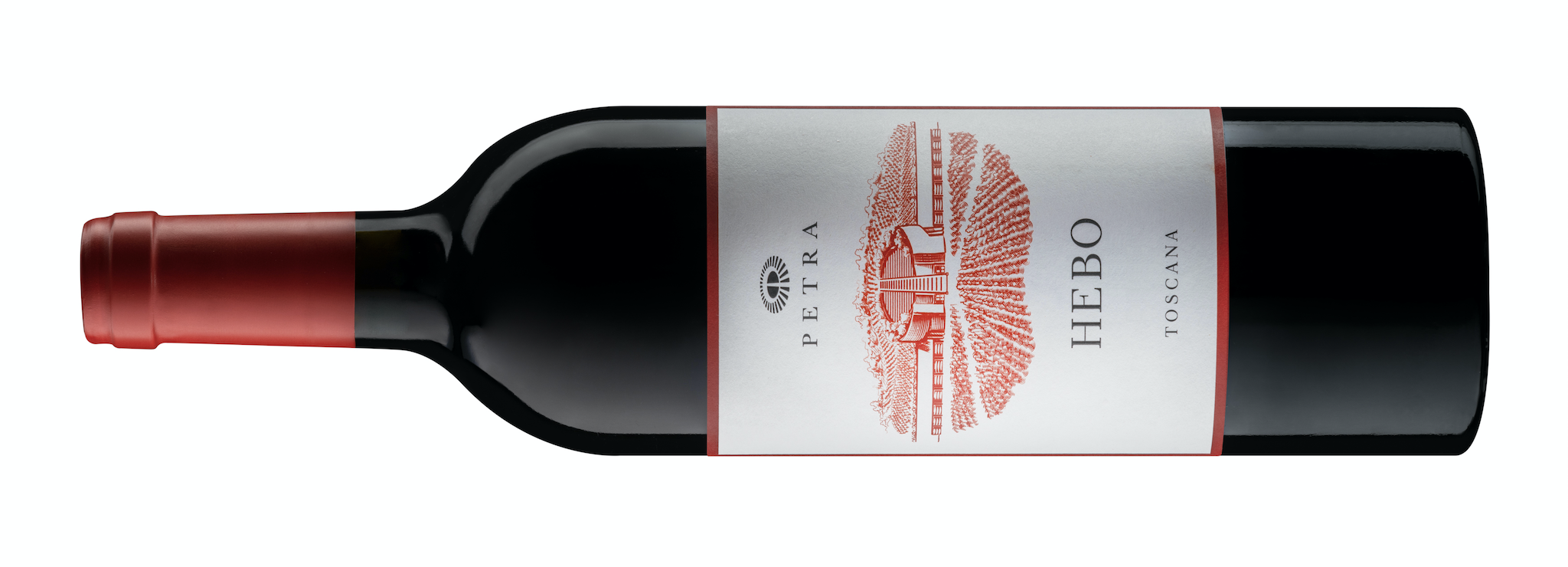
Hebo – the gateway wine, direct and immediate, expressing the fruit of the Coast
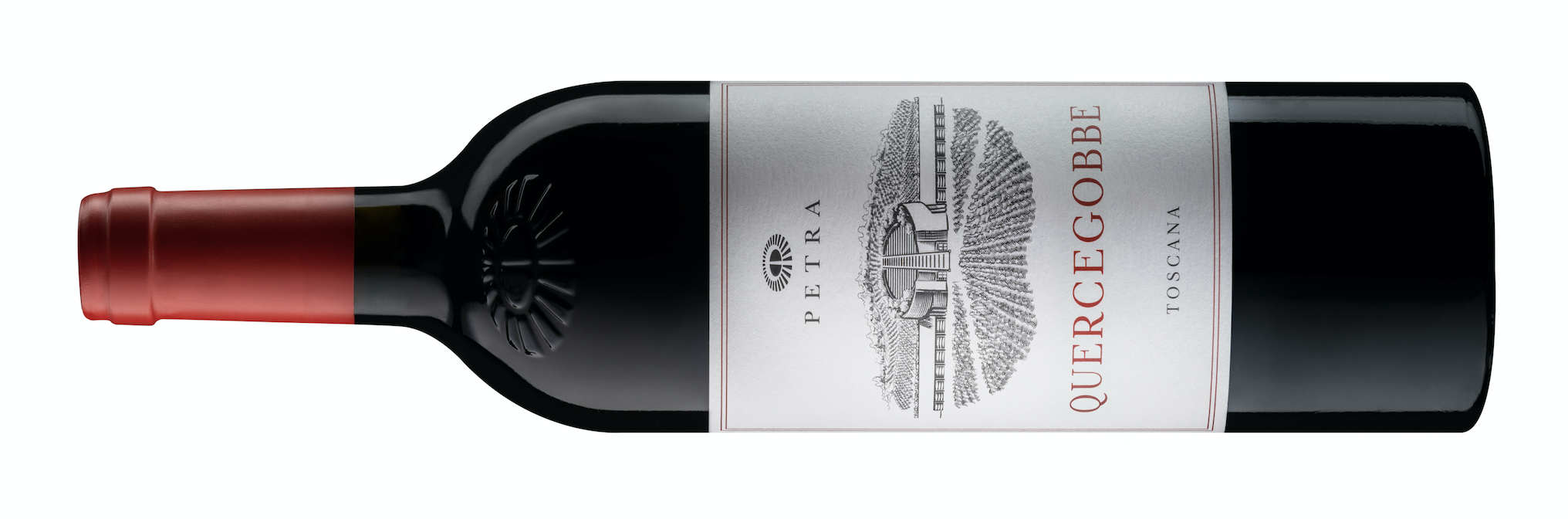
Quercegobbe – the point of equilibrium between structure and freshness
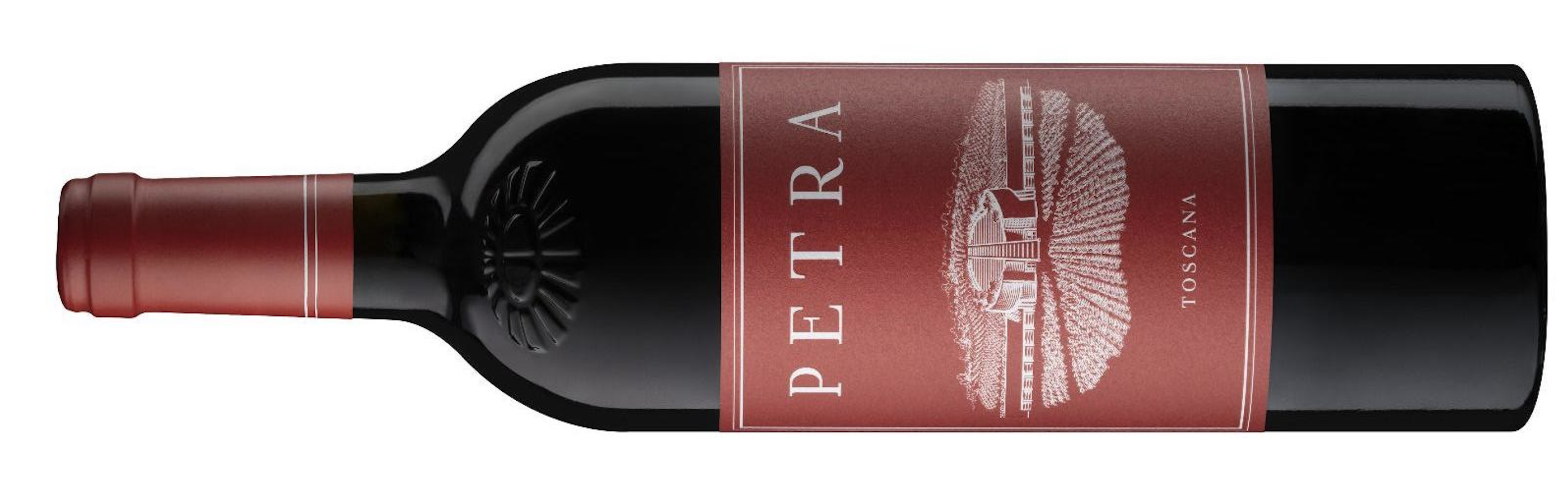
Petra – the qualitative summit, where selection and vision reach their highest expression
A hierarchy that recalls the Bordeaux model, yet reinterpreted with a distinctly Mediterranean accent.
Montebamboli: the high ground overlooking the sea Montebamboli is the symbolic site of this new chapter. At 400 meters above sea level, with acidic, gravelly, galestro- and sandstone-based soils, low in water yet rich in minerals, an extreme form of viticulture takes shape, oriented toward the future. Here, wines are born that are taut, vibrant and elegant, conceived to face climate change and to respond to the growing demand for authenticity.
It also reflects the pioneering instinct of Vittorio Moretti, the same vision that led to the creation of Bellavista. This year will see the release of the new single-varietal wines, a further step in parcel-by-parcel valorization.
Tuscan Coast: from geographical place to denomination of the soul Petra helps define the Tuscan Coast as a macro-territory of excellence: not a mere sum of municipalities or DOCs, but a coherent idea of wine and landscape. Sea, slanting light, winds, lean soils and open horizons become an enological language. The aim is to turn an intuition into a model. From the heights of Montebamboli, the gaze does not stop at the coastline: it imagines the future.
Hebo 2022 The name recalls an ancient Etruscan settlement. Blend: 55% Merlot, 20% Cabernet Sauvignon, 10% Cabernet Franc, 15% Sangiovese. Vinification in stainless steel at controlled temperature, followed by 10 months of ageing in second- and third-use barriques and in 30- and 50-hl Slavonian oak casks.
Clear ruby in color, of medium intensity. On the nose, cherry, blackberry, blueberry and notes of dried fruit. The palate is full, fresh and harmonious, with persistent length, a savory finish and echoes of blackberry and sweet spices.
Quercegobbe 2023 Single-varietal Merlot from the namesake vineyard, on the edge of the Mediterranean scrubland and facing the sea. An ideal position for Merlot, which thrives on hillside sites and in well-ventilated climates. Clay soils rich in manganese and metals, reminiscent of those of Pomerol. Fermentation in barriques (20% new), followed by 12 months of ageing.
Deep ruby in color. Aromas of blueberry, raspberry, sour cherry and dried plum, followed by eucalyptus, myrtle, rosemary, licorice and spices. The palate is full and supple, with silky tannins, balanced freshness, refined texture and a pronounced maritime salinity.
Petra 2022 Blend: 60% Cabernet Sauvignon, 30% Merlot, 10% Cabernet Franc. Ageing in barriques (30–35% new), followed by further élevage in concrete to preserve energy and dynamism. Brilliant ruby in color. On the nose, complex and layered: ripe black fruit, chinotto, cinchona bark, licorice, toasted coffee, tobacco, dark spices, sanguine notes, aromatic herbs, menthol nuances and graphite. On the palate, sculpted tannins, vibrant tension, spicy accents of black pepper and clove. The finish is long and savory, with echoes of Mediterranean scrub and vibrant minerality.
Tuscan Coast: from geographical place to a denomination of the soul Within this broader vision, Petra is working toward a greater design: helping to define the identity of the Tuscan Coast as a macro-territory of excellence. Not a simple sum of municipalities or DOCs, but a coherent idea of wine and landscape. The influence of the sea, slanting light, winds, lean and energetic soils, open horizons: all of this becomes wine. A wine that does not imitate, but interprets. That does not chase models, but builds its own language. This is where Petra plays its most important game: transforming an intuition into a model. From the heights of Montebamboli, the gaze does not merely contemplate the coastline — it imagines the future.