Ricasoli: Sangiovese, interpreter of the terroirs of Brolio
29
Sep 2026
Condividi su:
Ricasoli tells the story of Chianti Classico through Sangiovese and the extraordinary diversity of Brolio’s terroirs. A story that spans almost nine centuries and continues through an increasingly in-depth knowledge of the vineyards and parcel-by-parcel vinification.
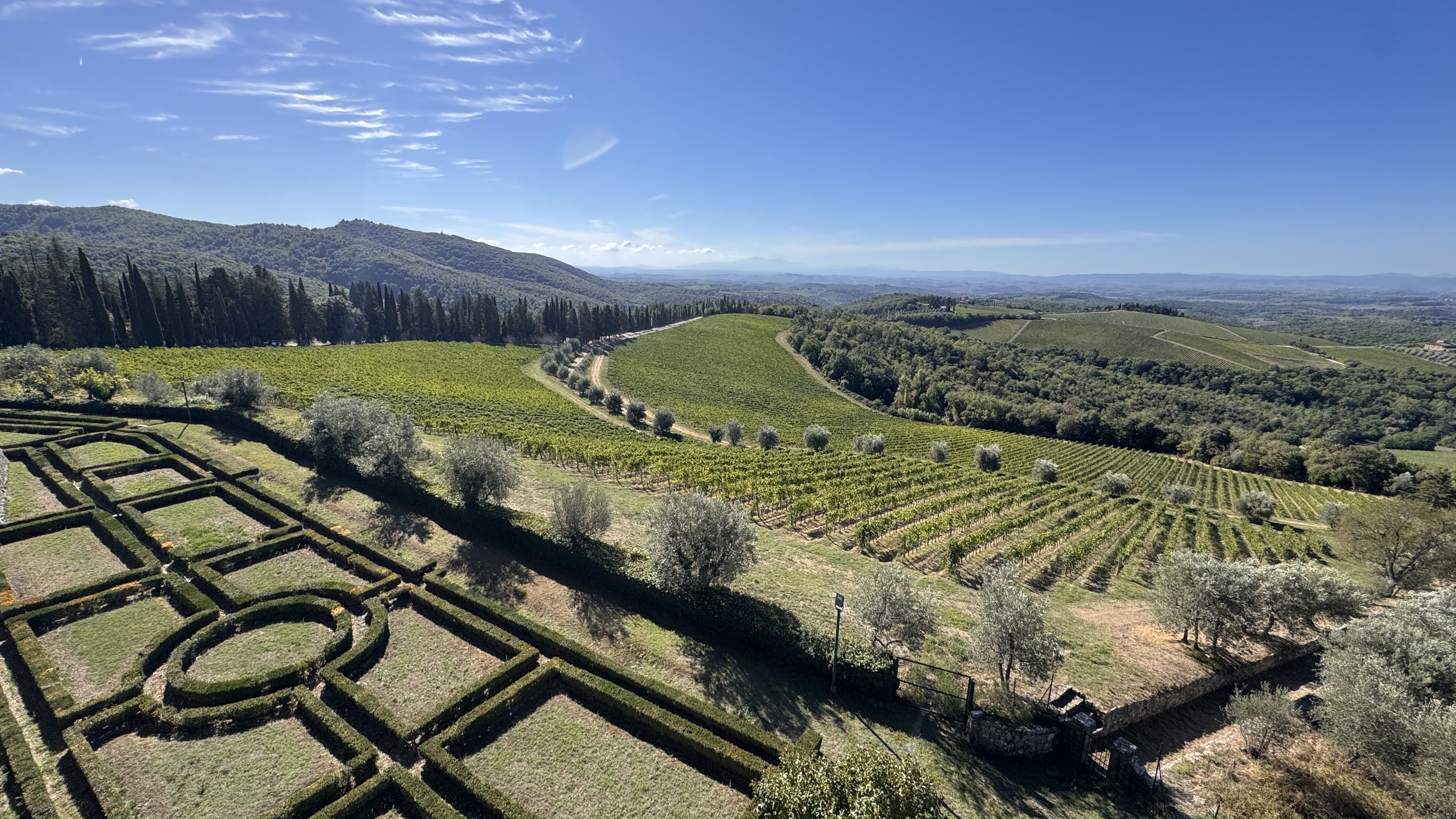
Our visit begins at Brolio Castle, at almost 500 metres above sea level, in a commanding position over the southern part of Chianti Classico. Surrounding it are vineyards, woods and olive groves covering approximately 1,200 hectares, 245 of which are planted with vines and 26 with olive trees. The Castle preserves the Ricasoli family’s long history; the vineyard, the cellar and the wines bear witness to its journey up to the present day.
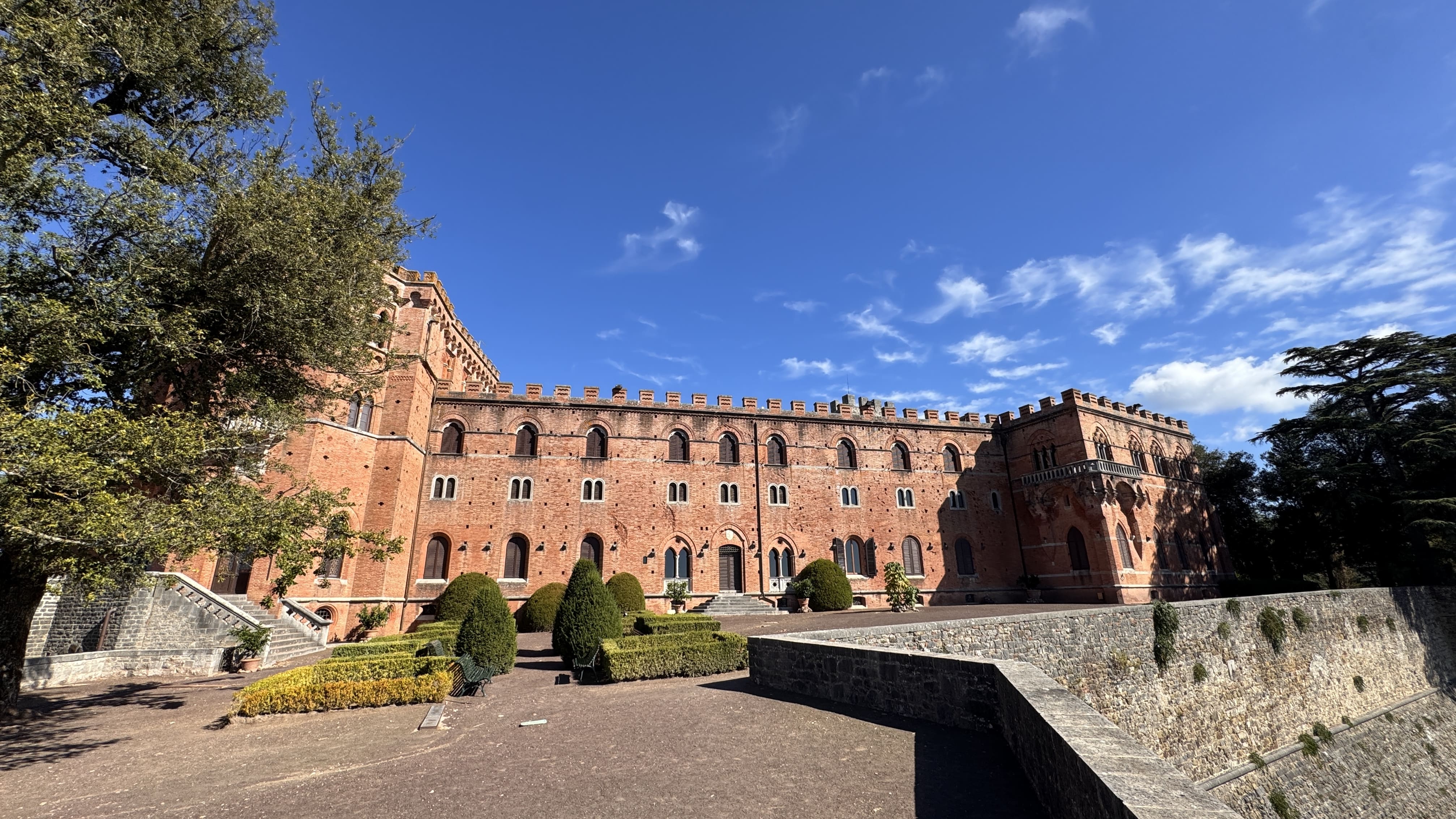
Brolio Castle 1141 marks the incorporation of Brolio Castle into the Ricasoli family’s estates, giving rise to a continuity that spans the Middle Ages, the wars between Florence and Siena, the Risorgimento and the birth of a united Italy.
For centuries a strategic position on the border between Florence and Siena, the Castle endured assaults and reconstructions. After the Sienese attack of 1478, the bastions were rebuilt to a design by Giuliano da Sangallo. Inside, the medieval keep, the Chapel of San Jacopo and the fortifications coexist with the nineteenth-century transformation commissioned by Bettino Ricasoli.
Bettino, wine and research A central figure of the Risorgimento and twice President of the Council of Ministers, the “Iron Baron” was also a passionate scholar of agriculture and wine. For over thirty years, he experimented with grape varieties, fermentations and blends.
In 1867, the wine of Brolio won the gold medal at the International Exhibition in Paris; in 1872, Bettino wrote to Professor Cesare Studiati of the University of Pisa the famous letter in which he described what would go down in history as the “Chianti formula”.
That vocation for experimentation continues through to contemporary Ricasoli. Since 1993 Francesco Ricasoli has led the estate, focusing its activities on vineyard renewal, Sangiovese selection, soil analysis and parcel mapping.
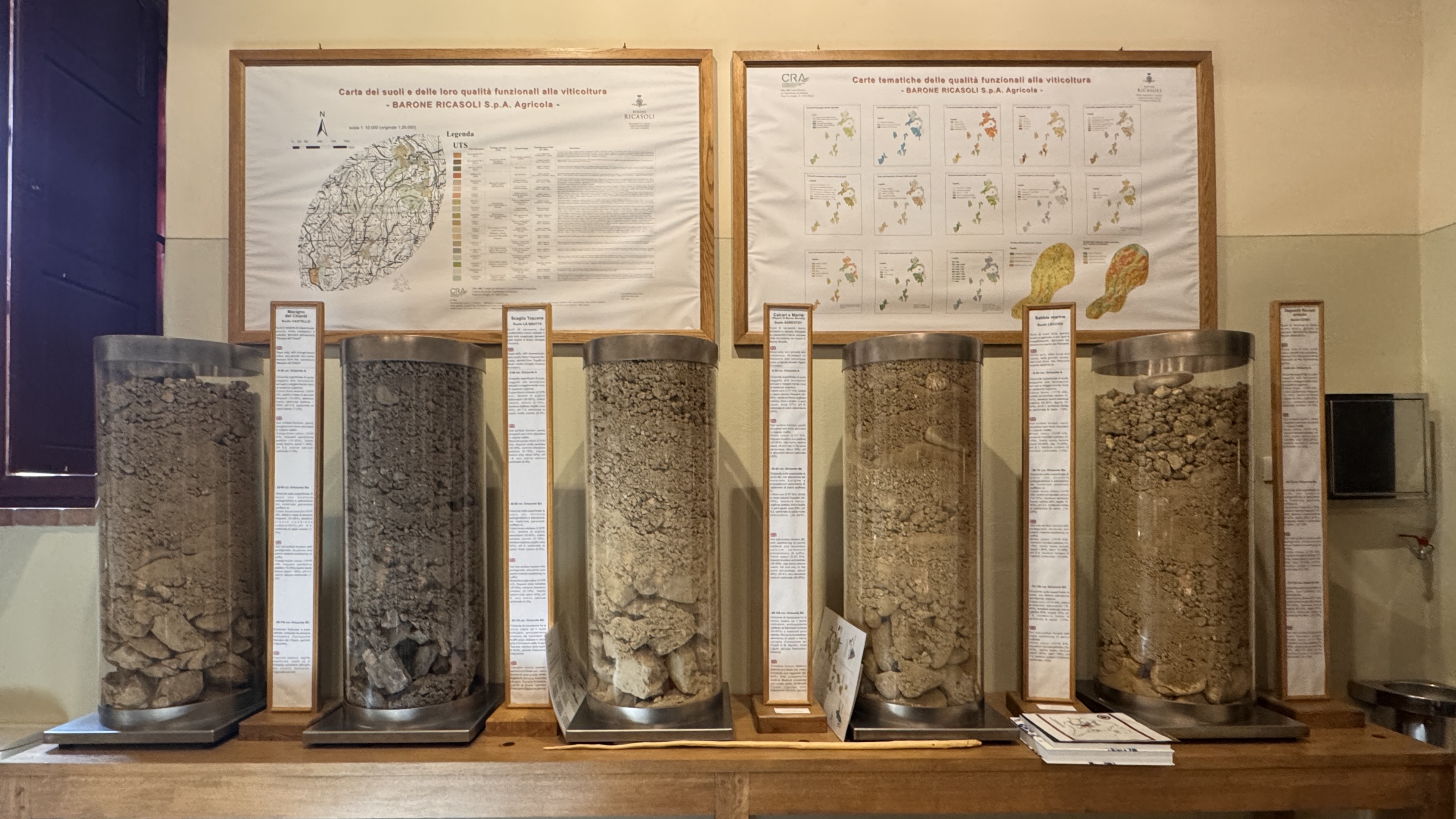
Brolio, a mosaic of terroirs In-depth studies of the soils began in 2005 and continued through a systematic zoning project, which led to the identification of 19 soil types, traced back to five main geological formations: Macigno del Chianti, Scaglia Toscana, Monte Morello, marine deposits and ancient river terraces.
Within just a few kilometres, structure and depth, stoniness, altitude, exposure and water availability all change. The sandstones of Macigno del Chianti alternate with Scaglia Toscana, with its easily flaking galestro; the Monte Morello formation brings alberese and very stony clay-limestone soils. Elsewhere, deposits left by the ancient Pliocene sea emerge and, in the Arbia valley, sediments from a remote river system.
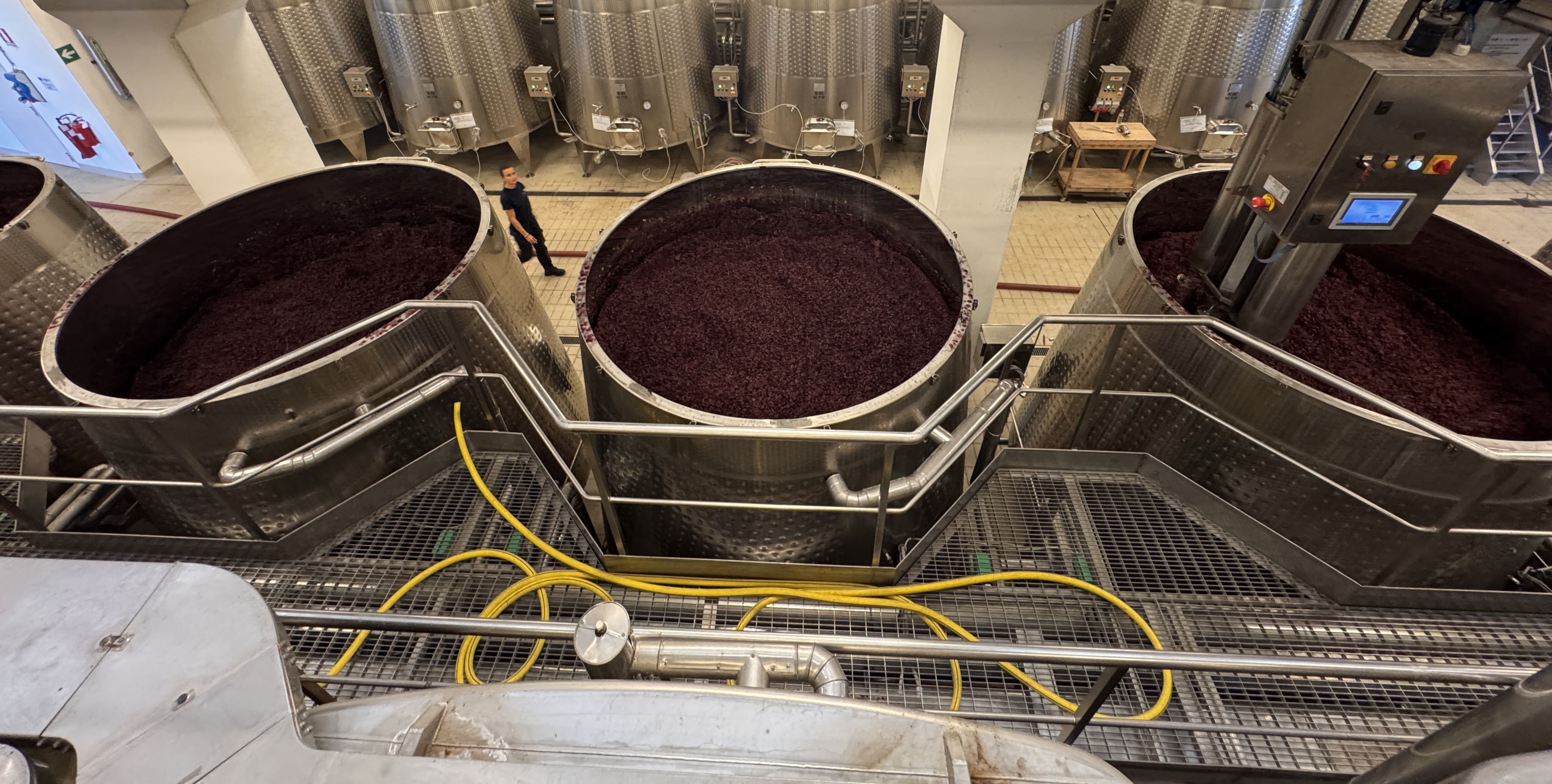
This geological fragmentation becomes the starting point for agronomic and oenological choices. Each parcel is harvested and vinified separately and, when the pedological characteristics change within the same plot, the subdivision can become even more detailed: during a single harvest, there can be more than 220 distinct vinifications.
At the centre remains Sangiovese, on which Ricasoli has carried out a long process of selection, identifying the plants best suited to the different characteristics of Brolio’s vineyards. Soil, exposure and altitude thus become determining factors in understanding the different expressions of the grape variety.
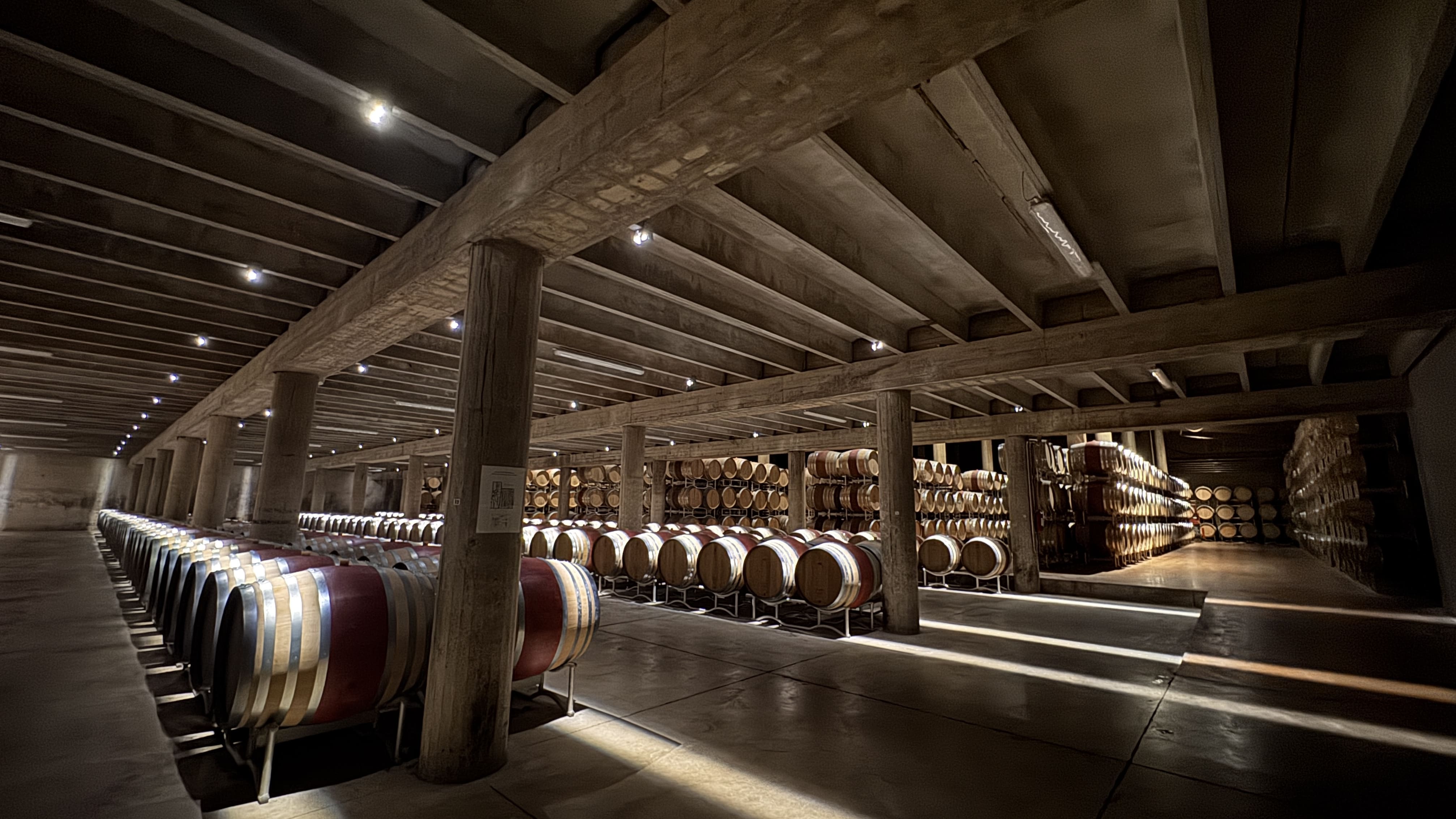
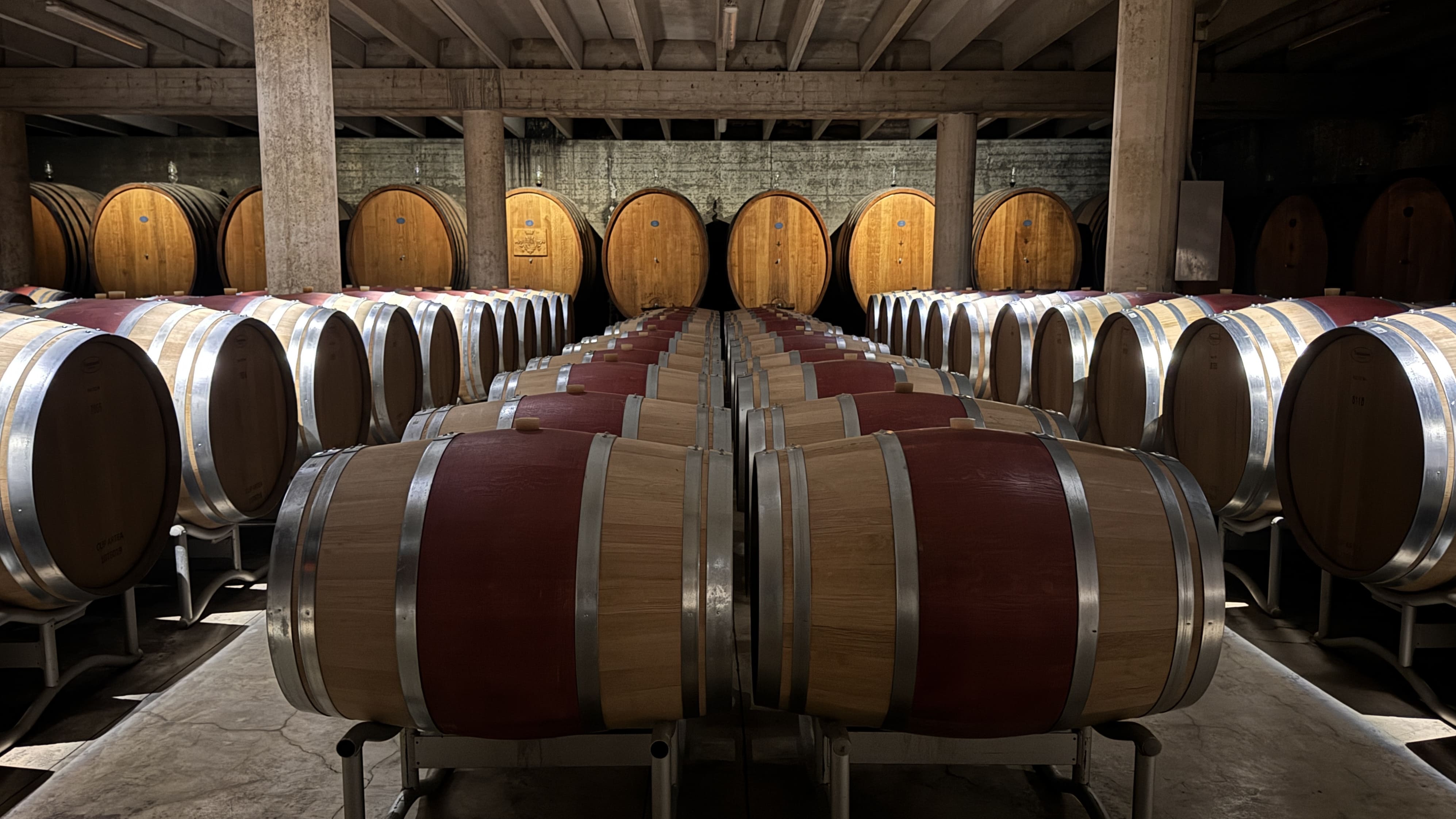
In the cellar During the harvest, what has been observed among the vine rows begins to translate into the wine. The grapes reach the vinification cellar, where they are selected and destemmed. The stainless-steel vats make it possible to keep the different origins separate, while wood is chosen according to the character of the wine and the expression being sought. Large casks, 500-litre tonneaux and barriques thus play different roles. Tonneaux are widely used for Sangiovese, while large casks characterise Brolio Bettino.
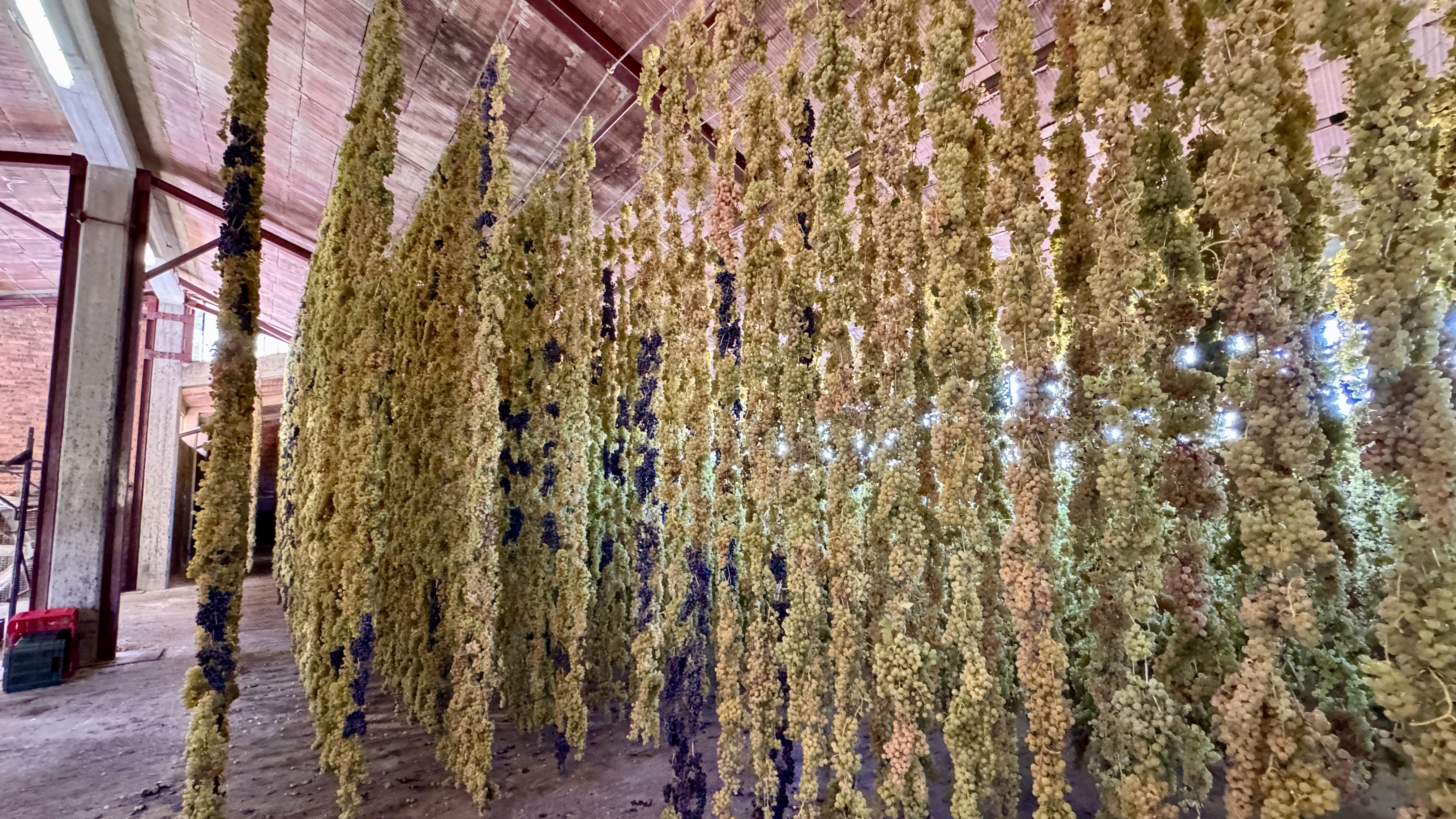
Then you enter the Vinsantaia and the perception of time changes. The bunches destined for Vin Santo undergo drying; subsequently, the wine is entrusted to the traditional caratelli, where some vintages can remain for up to eight years. It is one of the most evocative environments: the silence and the slowness of ageing create an almost suspended dimension, deeply connected to tradition, just a few steps away from the rigour of modern parcel-by-parcel vinification.
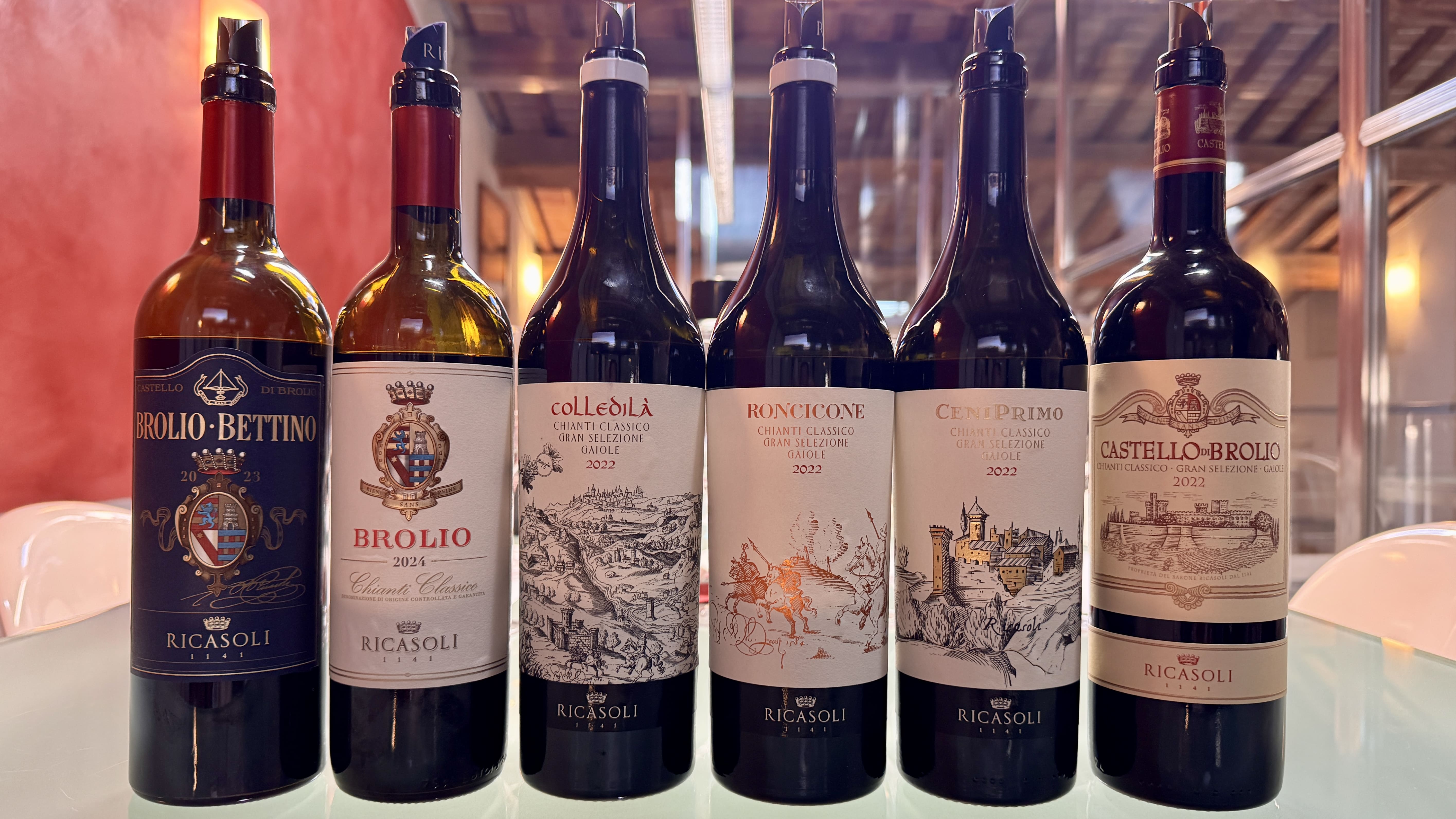
The tasting: six interpretations of Brolio The sequence begins with Brolio and Brolio Bettino and leads to the four Gran Selezione 2022 labels. Three – Colledilà, Roncicone and CeniPrimo – come from individual vineyards and three corresponding geological matrices; Castello di Brolio, on the other hand, broadens the perspective by bringing together vineyards from the upper part of the estate.
Brolio 2024 – Chianti Classico DOCG 95% Sangiovese and 5% Colorino, aged for approximately nine months in second- and third-use tonneaux. The aromatic profile is immediate and open, with cherry and small red fruits accompanied by light floral nuances. Freshness and juiciness support an agile structure, with soft, well-integrated tannins. The fruit remains the protagonist through to the finish, pleasant and flowing.
Brolio Bettino 2023 – Chianti Classico DOCG 100% Sangiovese, aged for 18 months in large casks. The fruit gains depth, moving towards ripe cherry and small dark fruits, with floral hints of violet and subtle herbal accents. It shows greater structure than Brolio 2024: the tannins are velvety, present and progressive, supported by a well-defined balance. The large cask allows the Sangiovese to emerge clearly, in a more traditional and profound interpretation.
With the Gran Selezione 2022 labels, the perspective changes: the same grape variety and the same vintage shift the focus to the differences determined by vineyard, altitude, exposure and pedological matrix.
Colledilà 2022 – Chianti Classico DOCG Gran Selezione Gaiole 100% Sangiovese. The vineyard is located at approximately 380 metres, with a south-eastern exposure, on the Monte Morello formation: alberese, with a very stony clay-limestone soil, rich in calcium carbonate and clay and poor in organic matter.
The red fruit is interwoven with hints of aromatic herbs, Mediterranean scrub and balsamic nuances. The structure is compact and precise, supported by well-defined tannins and continuous momentum. The finish returns to balsamic and vegetal notes with balance and persistence.
Roncicone 2022 – Chianti Classico DOCG Gran Selezione Gaiole 100% Sangiovese. At approximately 320 metres, with a south-eastern exposure, Roncicone originates on Pliocene marine deposits: sands and stones smoothed by the ancient sea, with clay at depth and a good content of organic matter; marine fossils and lignite emerge on the surface.
The fruit becomes more evident and riper, accompanied by aromatic herbs, pepper and earthy notes. The tannic texture takes on a more substantial consistency, with a distinctive tactile sensation reminiscent of taffeta. The palate retains momentum and sapidity, while saline and peppery accents accompany its progression through the finish.
CeniPrimo 2022 – Chianti Classico DOCG Gran Selezione Gaiole 100% Sangiovese. The vineyard is located at approximately 300 metres in the Arbia valley, with a south-western exposure, on an ancient fluvial terrace dating from the Pliocene-Pleistocene period, formed by silty deposits, with little skeletal material, the presence of clay, low limestone content and poor organic matter.
Ripe red fruit intertwines with herbs and spices, with a piquant note that anticipates the character on the palate. The tannins are the most evident in the sequence, dense, incisive and deeply tactile. The whole maintains energy and juiciness, supported by freshness and lively spiciness that prolongs the persistence.
Castello di Brolio 2022 – Chianti Classico DOCG Gran Selezione Gaiole 100% Sangiovese, it comes from a selection of grapes from the vineyards adjacent to the Castle, lying between 400 and 490 metres, on the three geological formations of Macigno del Chianti, Scaglia Toscana and Monte Morello, respectively characterised by sandstone, galestro and alberese.
The aromatic profile reveals red fruit accompanied by oregano, Mediterranean herbs and a distinct hint of pine forest, with balsamic nuances that enhance its depth. The entry is elegant and silky; the tannins accompany a progressive development, with well-integrated freshness and a smoother texture than the three preceding crus. Aromatic herbs and balsamic notes return on the finish.
The sequence clearly reveals the heterogeneity of Brolio: Colledilà expresses above all precision and balsamic character; Roncicone accentuates sapidity and tactility; CeniPrimo concentrates energy, juiciness and tannic texture; Castello di Brolio brings together different matrices from the upper part of the estate in a silkier and more harmonious texture.
From Bettino’s research to contemporary zoning, from the different soil types to parcel-by-parcel vinifications, the tools change and knowledge deepens. Wine remains the most direct way to read the complexity of Brolio.